
HEADLINE
UK Returnee Threatens to Renounce Nigerian Passport After FCTA Demolishes £75,000 Abuja Business
OPENING HOOK
When a citizen abroad decides to bring foreign earnings home to build a local business, they expect a welcoming environment; instead, one diaspora investor is now contemplating giving up his Nigerian citizenship after watching his life savings flattened by bulldozers.
WHAT HAPPENED
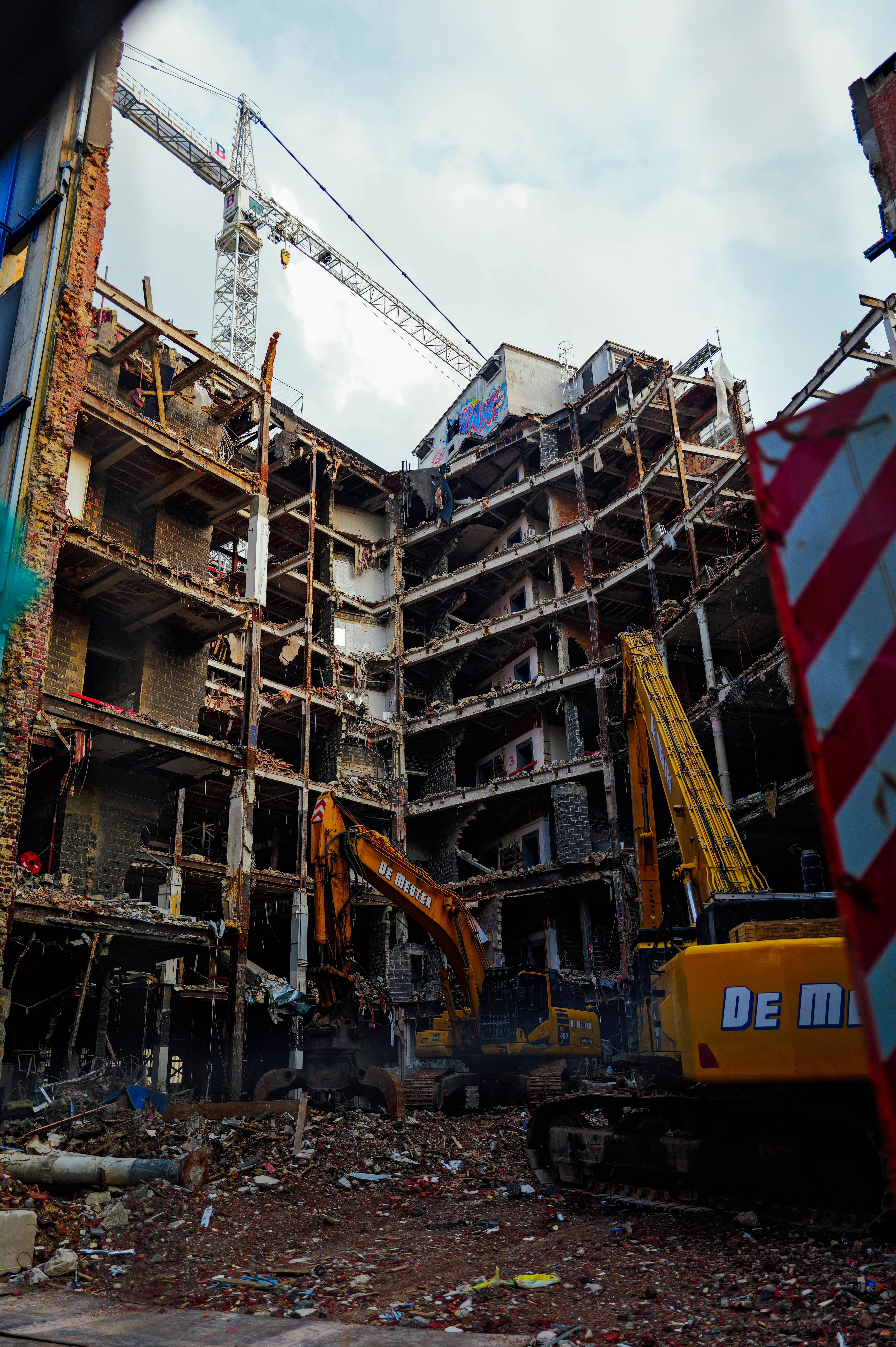
An aggrieved Nigerian returnee investor who relocated from the United Kingdom has publicly decried the demolition of his business premises in Abuja by the Federal Capital Territory Administration. The investor, who sank approximately seventy-five thousand pounds (amounting to tens of millions of naira in local exchange value, enough to buy multiple commuter buses or lease prime commercial space for years) into the venture, stated that the teardown occurred without any prior official notice. Faced with the sudden destruction of his capital investment, the businessman expressed deep frustration, even considering renouncing his Nigerian passport in protest against what he views as hostile treatment of diaspora investors.
WHO ARE THE KEY PLAYERS
The primary figures in this developing story are the unnamed United Kingdom returnee investor who bore the financial brunt of the loss, and the Federal Capital Territory Administration, the governmental body responsible for the overall planning, development, and urban management of the Nigerian capital. The FCTA oversees subsidiary agencies like the Department of Development Control, which typically executes demolitions of structures deemed to violate the Abuja Master Plan.
UNDERSTANDING THE LOCATION
Abuja is the Federal Capital Territory of Nigeria, located in the North-Central geopolitical zone. Designed in the 1970s as a planned city to replace Lagos, Abuja operates under strict master-planning regulations. Land allocation, commercial construction, and property development are heavily regulated by federal authorities, making it a distinct administrative zone compared to other commercial hubs like Lagos or Kano.
BACKGROUND AND CONTEXT
For years, the Nigerian government has actively wooed the diaspora community through agencies like the Nigerians in Diaspora Commission to return home and invest their foreign-earned capital into local infrastructure, tech, and retail. However, the intersection of diaspora investment and urban planning in Abuja has frequently been fraught with tension. Property owners often complain about high regulatory hurdles, opaque land allocation systems, and sudden enforcement actions by municipal authorities who accuse developers of building on unauthorized plots or violating zoning laws.
EXPLAINING IMPORTANT REFERENCES
The Federal Capital Territory Administration acts as the central governing authority for Abuja, holding powers similar to a state government. The Abuja Master Plan is the foundational urban blueprint guiding every road, residential block, and commercial zone in the capital. Violations of this plan—whether through illegal land acquisition or unauthorized building modifications—frequently trigger aggressive enforcement actions by municipal task forces.
IMPACT ANALYSIS
This incident carries profound psychological and economic repercussions for Nigeria's drive to attract diaspora direct investment. When high-profile losses occur without due process or adequate notification, it discourages other Nigerians living abroad from remitting funds for heavy capital projects back home. Locally, it signals continued friction between municipal regulators and private investors, potentially dampening commercial real estate activity within the capital territory.
WHAT HAPPENS NEXT
As the affected investor weighs his legal options and the potential renunciation of his citizenship, attention turns to whether the FCTA will issue an official clarification regarding the due process followed before the demolition. Civil society groups and diaspora associations may pressure the government for compensation or clearer guidelines protecting diaspora-funded enterprises from arbitrary clearance exercises.
HERO PERSPECTIVE
The demolition of a £75,000 business property by the Federal Capital Territory Administration without prior notice directly tests the federal government's policy of encouraging diaspora investment into Nigeria. When regulatory agencies execute sweeping clearances without transparent communication, they risk alienating the very citizens they rely upon for capital inflow.
CLOSING
The clash between strict urban planning enforcement in Abuja and the protection of private diaspora capital highlights an urgent need for administrative transparency. As this story develops, it will serve as a litmus test for how federal authorities balance city-planning laws with the rights of returning investors.