
HEADLINE
Allegations of Repentant Boko Haram Terrorists in Army Recruitment Spark National Outcry
OPENING HOOK
The very idea of former insurgents, once responsible for untold destruction and loss of life, potentially joining the ranks of the nation's defenders has sent a shiver of apprehension through communities still reeling from years of conflict, forcing a national conversation on security, rehabilitation, and trust.
WHAT HAPPENED
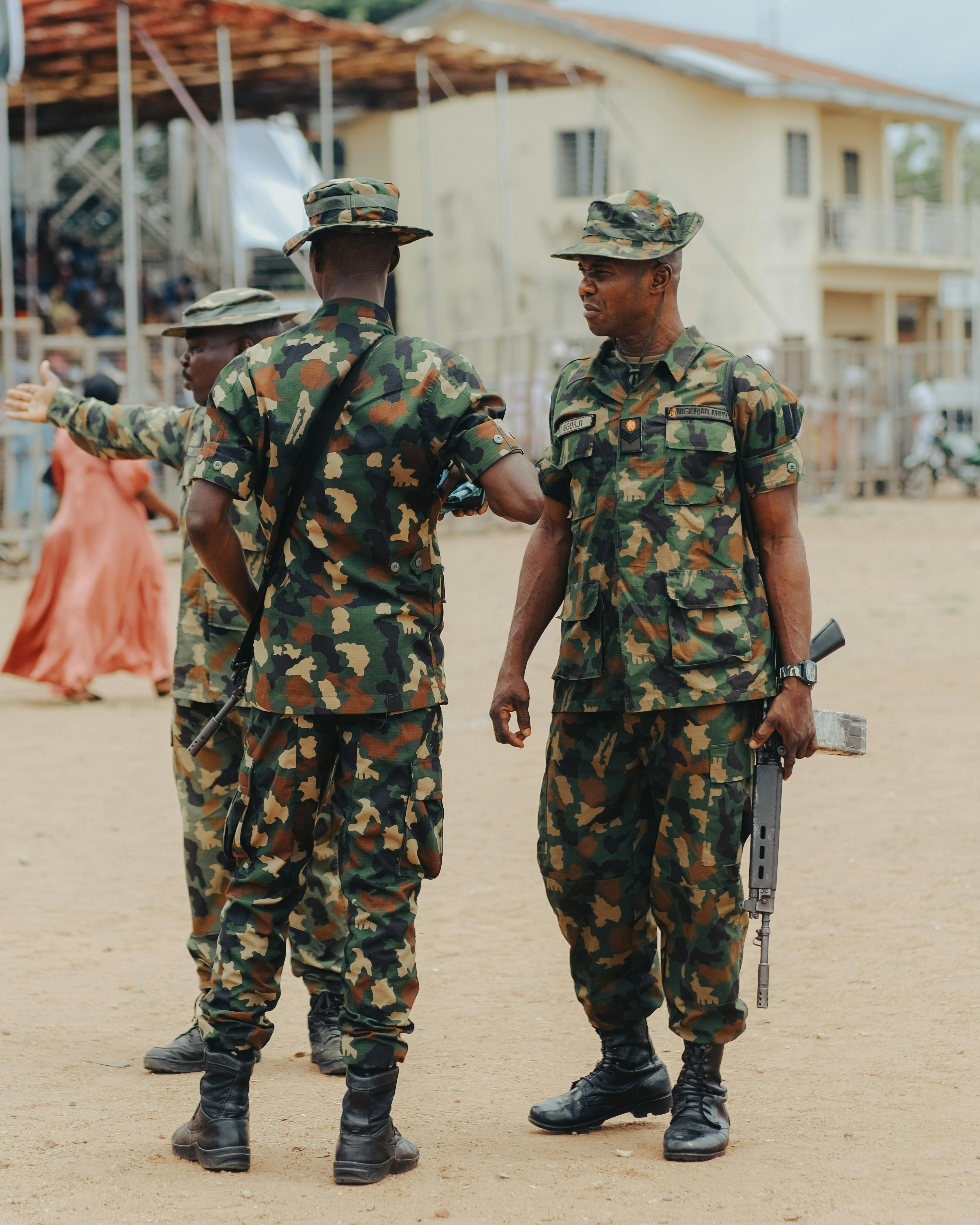
Panic has reportedly gripped many Nigerians following claims that 40 individuals identified as repentant Boko Haram terrorists have been shortlisted for the 2026 Nigerian Army recruitment exercise and are slated to undergo medical examinations. This development, if confirmed, signifies a contentious phase in the nation's efforts to reintegrate former combatants, raising immediate concerns about security implications and public confidence in the armed forces.
WHO ARE THE KEY PLAYERS
**The Nigerian Army:** The official land warfare branch of the Nigerian Armed Forces, responsible for defending Nigeria's territorial integrity and contributing to internal security. It is the institution reportedly conducting the recruitment.
**Boko Haram:** An Islamist extremist group primarily operating in North-East Nigeria, known for its violent insurgency aimed at establishing an Islamic state under Sharia law. The individuals in question are former members of this group.
**Repentant Boko Haram Terrorists:** A term used by the Nigerian government to describe former Boko Haram fighters who have surrendered, undergone deradicalization, rehabilitation, and reintegration programs, such as 'Operation Safe Corridor'.
**The Nigerian Public:** Citizens across the country, particularly those in the North-East, who have borne the brunt of Boko Haram's violence and are now expressing widespread panic and skepticism over the alleged recruitment.
**The Federal Government of Nigeria:** The central authority responsible for national security policy, including counter-terrorism strategies and rehabilitation programs.
UNDERSTANDING THE LOCATION
The alleged recruitment process, while national in scope, holds particular significance for **North-East Nigeria**, comprising states like Borno, Yobe, and Adamawa. This region has been the epicentre of the Boko Haram insurgency for over a decade, experiencing immense human suffering, displacement, and infrastructural damage. The prospect of former insurgents joining the military is particularly sensitive here, where memories of violence are fresh and trust in security institutions can be fragile.
BACKGROUND AND CONTEXT
The concept of rehabilitating and reintegrating repentant terrorists is not new in Nigeria. The Federal Government launched 'Operation Safe Corridor' in 2016, a multi-agency program designed to deradicalize, rehabilitate, and reintegrate low-risk repentant Boko Haram and Islamic State's West Africa Province (ISWAP) fighters. The initiative aims to offer a path away from terrorism, reduce the pool of recruits for insurgent groups, and foster peace. However, the program has faced significant public skepticism, with many Nigerians, especially victims of the insurgency, questioning the sincerity of the repentants and the effectiveness of their deradicalization. Concerns often revolve around the potential for recidivism, the lack of justice for victims, and the perceived impunity granted to former terrorists.
EXPLAINING IMPORTANT REFERENCES
**'Repentant Boko Haram Terrorists':** This term refers to individuals who were once part of the Boko Haram terrorist group but have reportedly renounced their violent ideology and surrendered to government forces. They undergo structured programs, often including psychological support, vocational training, and religious re-orientation, with the ultimate goal of returning them to civil society. The challenge lies in verifying true repentance and ensuring they pose no future threat.
**Nigerian Army Recruitment:** This is the standard process through which the Nigerian Army enlists new personnel. It typically involves rigorous physical, mental, and medical screenings to ensure recruits meet the high standards required for military service. The alleged inclusion of repentant terrorists raises questions about these established vetting protocols.
**'The demon of impunity':** This phrase captures the public's fear that individuals who have committed severe crimes might evade full accountability and even gain positions of authority, thereby undermining the rule of law and justice. In this context, it speaks to the perception that former terrorists might not be adequately punished or vetted, leading to a sense of injustice among victims and a breakdown of public trust in government processes.
IMPACT ANALYSIS
This alleged development has far-reaching implications. Firstly, it could severely erode **public trust** in the Nigerian Army and the Federal Government's counter-terrorism strategy. Citizens may question the commitment to justice for victims and the sincerity of efforts to protect them. Secondly, it poses significant **national security risks**, as concerns about insider threats, intelligence leaks, and potential sabotage could undermine military operations and morale. Imagine the impact on a soldier fighting Boko Haram, only to discover a former member is now a colleague. Thirdly, it could negatively affect the **morale and cohesion** within the Nigerian Army, potentially creating divisions and mistrust among personnel. Lastly, it could be seen as a discouraging signal to communities still battling insurgency, potentially weakening their resolve and willingness to cooperate with security forces, especially if they perceive that perpetrators face no real consequences.
WHAT HAPPENS NEXT
The immediate next steps will likely involve an official statement from the Nigerian Army or the Defence Headquarters, either confirming or refuting the allegations. Should the reports be confirmed, there will be intense pressure for a transparent explanation of the rationale behind such a decision, the vetting processes involved, and assurances of national security. Public outcry may escalate, potentially leading to protests, calls for investigations, and a comprehensive review of the 'Operation Safe Corridor' program. The Federal Government will be compelled to address the fundamental questions of justice, security, and public confidence.
HERO PERSPECTIVE
Leverage On Heroes Media maintains that national security and public trust are paramount. While rehabilitation and reintegration programs for former combatants are vital components of a comprehensive peace strategy, they must be executed with absolute transparency, rigorous vetting, and a clear prioritization of the safety and justice for the victims of insurgency. Any policy that even remotely risks compromising the integrity of our armed forces or the safety of our citizens must be critically re-evaluated. Accountability for past actions, even for 'repentant' individuals, must be balanced with the goal of rehabilitation, ensuring that the process does not inadvertently foster a sense of impunity or undermine the very institutions sworn to protect the nation.
CLOSING
The allegations surrounding the recruitment of repentant Boko Haram members into the Nigerian Army underscore the delicate balance between peace-building initiatives and the imperative of national security. As the nation grapples with these complex issues, clear communication, unwavering transparency, and a commitment to justice will be crucial in navigating this challenging path and rebuilding the frayed trust between the government, its security forces, and the resilient Nigerian people.