
HEADLINE
DRC Takes Rwanda Conflict to UN Security Council Amid Stalled Peace Efforts
OPENING HOOK
The Democratic Republic of Congo (DRC), a nation grappling with persistent instability in its eastern territories, has seized a critical diplomatic opportunity. Currently holding the rotating presidency of the United Nations Security Council (UNSC), Kinshasa is placing its protracted conflict with neighboring Rwanda directly before the world's highest body for peace and security, signaling deep frustration with the slow pace of regional peace initiatives.
WHAT HAPPENED
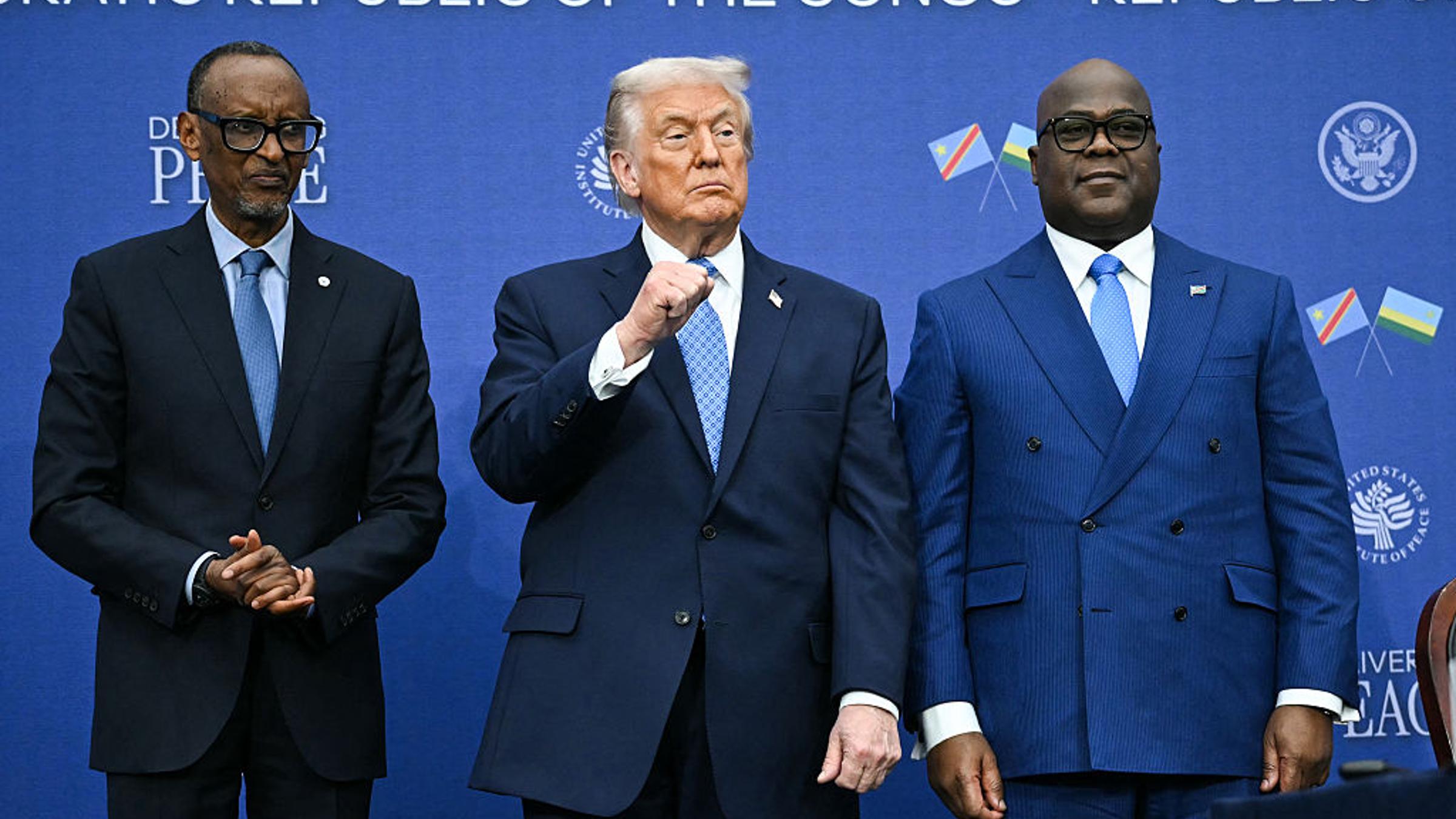
In a significant diplomatic move, the Democratic Republic of Congo (DRC) has officially presented its grievances and concerns regarding its conflict with Rwanda to the United Nations Security Council (UNSC) this month. This action comes as the DRC assumes the rotating presidency of the Council, a strategic window to amplify its narrative on the long-standing instability and humanitarian crisis in its eastern provinces, which Kinshasa largely attributes to Rwandan interference and support for rebel groups like M23. The core issue remains the stalled progress of various peace processes aimed at de-escalating tensions and ensuring stability in the Great Lakes region.
WHO ARE THE KEY PLAYERS
**Democratic Republic of Congo (DRC)**: A vast Central African nation, rich in mineral resources like cobalt and coltan, but plagued by decades of conflict, particularly in its eastern regions. Its capital is Kinshasa. President Félix Tshisekedi leads the country and has been vocal about alleged Rwandan aggression.
**Rwanda**: A smaller, landlocked East African nation, known for its rapid post-genocide development under President Paul Kagame. Kigali, its capital, consistently denies direct involvement or support for rebel groups in the DRC, framing its actions as necessary for its own security.
**United Nations (UN)**: An international organization founded in 1945 to promote international cooperation and maintain international peace and security. It comprises 193 member states.
**UN Security Council (UNSC)**: The UN's most powerful body, tasked with maintaining international peace and security. It has 15 members: five permanent members with veto power (China, France, Russia, the United Kingdom, and the United States) and ten non-permanent members elected for two-year terms. The DRC is currently one of these non-permanent members, holding the monthly presidency.
**M23 Rebel Group**: A prominent armed group operating in eastern DRC. Composed largely of Congolese Tutsis, the group first emerged in 2012, briefly seizing Goma before being defeated. It resurfaced in late 2021, launching significant offensives and displacing hundreds of thousands. The DRC accuses Rwanda of actively supporting M23, an accusation Rwanda denies.
UNDERSTANDING THE LOCATION
The conflict's epicenter is **Eastern Democratic Republic of Congo**, a geographically complex and resource-rich region bordering Rwanda, Uganda, and Burundi. This area is a hotspot for numerous armed groups, driven by a scramble for control over valuable minerals such as coltan, cassiterite, and gold. Its proximity to Rwanda and historical ethnic dynamics make it particularly vulnerable to cross-border tensions. **Kinshasa**, the capital of the DRC, is located far to the west, while **Kigali**, Rwanda's capital, is much closer to the troubled eastern DRC border, highlighting the geographical disparity in security concerns.
BACKGROUND AND CONTEXT
The Great Lakes region has a complex history marked by conflicts, most notably the 1994 Rwandan genocide and the subsequent First and Second Congo Wars (1996-2003), often dubbed 'Africa's World War' due to the involvement of multiple African nations. Rwanda's interventions in the DRC have historically been justified by Kigali as efforts to pursue Hutu génocidaires who fled into eastern Congo. However, these interventions have also been linked to the exploitation of DRC's vast mineral wealth. The M23 rebel group's resurgence in late 2021 reignited the long-standing accusations by the DRC that Rwanda is actively fueling instability. Despite regional efforts, including the Luanda and Nairobi Processes – diplomatic initiatives spearheaded by Angola and the East African Community (EAC) respectively – progress towards a lasting peace has been painstakingly slow, leading to the DRC's current appeal to the UNSC.
EXPLAINING IMPORTANT REFERENCES
**UN Security Council Presidency**: This is a rotating monthly role among the 15 member states. The country holding the presidency chairs meetings, sets the agenda, and guides the Council's work for that month. It provides a significant platform to draw international attention to specific issues.
**Stalled Peace Process**: This refers to the lack of tangible progress in regional diplomatic efforts, primarily the **Luanda Process**, facilitated by Angolan President João Lourenço, and the **Nairobi Process**, led by the East African Community. These initiatives aim to broker dialogue, implement ceasefires, and disarm rebel groups, but have been hampered by a lack of trust, continued fighting, and non-compliance from various parties, including the M23.
**M23 Rebel Group**: A militia group predominantly composed of Congolese Tutsis, many of whom were integrated into the Congolese army after previous peace deals. They claim to be fighting to protect their community and address grievances, but are widely seen as proxies for external powers, particularly Rwanda, by the DRC government and UN experts.
IMPACT ANALYSIS
This move by the DRC has several potential implications. Regionally, it could further strain diplomatic relations between Kinshasa and Kigali, potentially undermining the already fragile regional peace initiatives. For the people of Eastern Congo, the continued conflict fuels a dire humanitarian crisis, with millions displaced, widespread human rights abuses, and a constant threat to life and livelihood. Economically, the instability disrupts legitimate trade and facilitates illicit mining, denying the DRC government crucial revenue. Internationally, the DRC's direct appeal to the UNSC places significant pressure on the UN to act decisively, testing the Council's effectiveness in resolving protracted conflicts and holding alleged state sponsors of non-state armed groups accountable. It also puts a spotlight on the credibility of regional blocs like the EAC, whose peace efforts have yet to yield conclusive results.
WHAT HAPPENS NEXT
As the DRC concludes its UNSC presidency, discussions are expected to intensify. The Council may consider new resolutions, call for stronger international monitoring, or impose sanctions on individuals or entities deemed responsible for fueling the conflict. Continued diplomatic engagement through the Luanda and Nairobi processes will likely persist, albeit under increased scrutiny. The international community will be watching for any concrete steps by Rwanda to address the allegations, and by the DRC to ensure the protection of civilians and the disarmament of all armed groups within its borders. The future trajectory hinges on whether the UNSC can galvanize a unified and effective response to a conflict that has long defied resolution.
HERO PERSPECTIVE
Leverage On Heroes Media believes that the DRC's bold move to bring its conflict with Rwanda before the UN Security Council is a vital step towards global accountability. Our editorial stance emphasizes the urgent need for transparent, impartial investigations into the root causes and external support for armed groups in Eastern Congo. We advocate for robust international pressure to protect civilian lives, ensure humanitarian access, and enforce regional peace agreements, because true heroism lies in safeguarding the most vulnerable and holding powerful actors responsible for lasting peace.
CLOSING
The world now watches the UN Security Council, as the cries from Eastern Congo reverberate through its hallowed halls. The expectation is clear: a conflict that has claimed too many lives and stifled the potential of a resource-rich nation demands not just attention, but decisive, coordinated action for a sustainable peace.