
HEADLINE
Ekiti Governor Oyebanji Honours Predecessors Fayemi, Fayose, and Oni with New Government Structures
OPENING HOOK
In Nigerian politics, where fierce party rivalries often outlive tenures, laying aside political differences to honour one's predecessors remains a rare and striking development.
WHAT HAPPENED
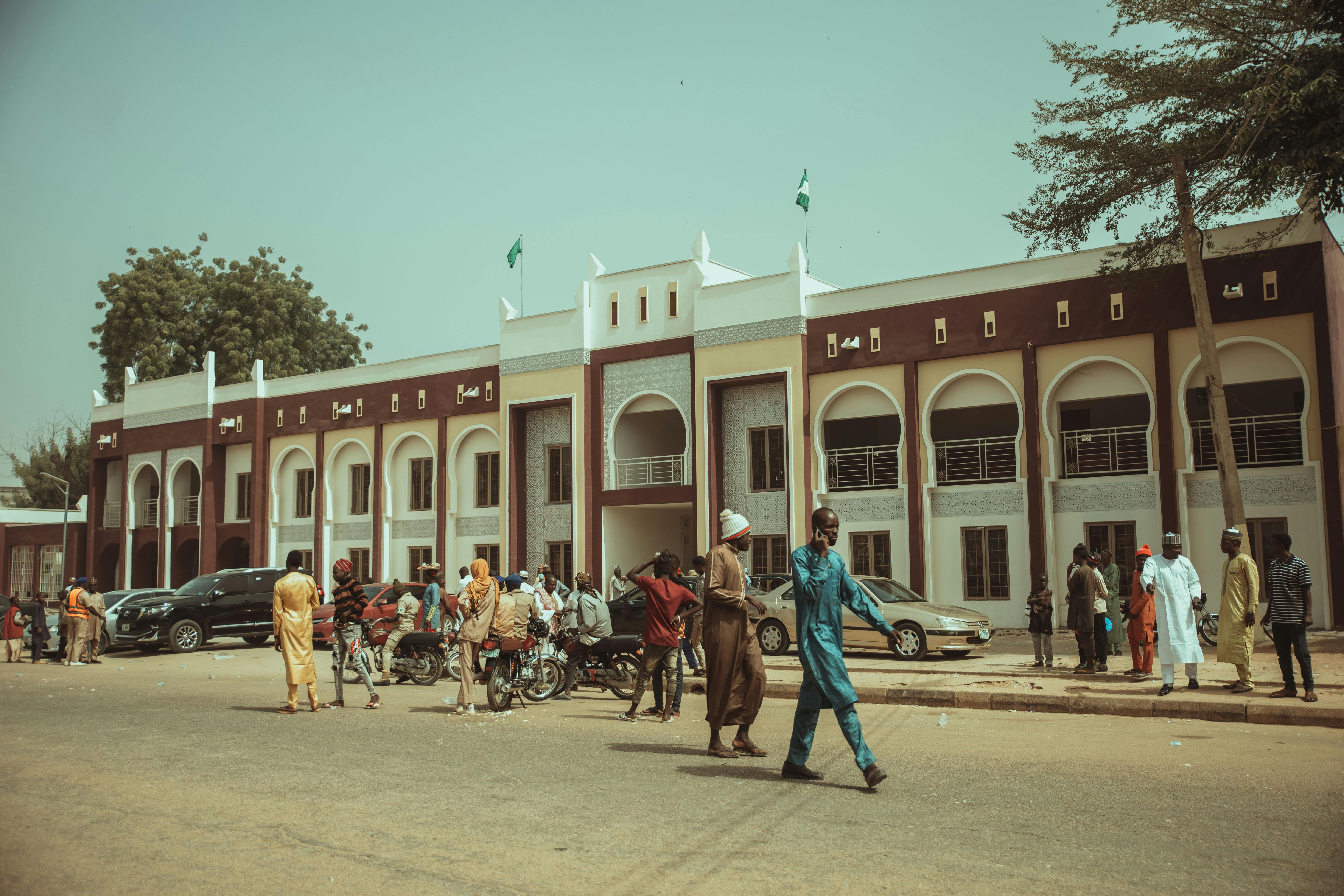
Ekiti State Governor Biodun Oyebanji has officially named newly completed state government buildings after three of his immediate predecessors: Kayode Fayemi, Ayodele Fayose, and Segun Oni. The gesture is designed to celebrate the collective contributions these former leaders made toward the infrastructural and administrative development of the state, regardless of their varying political affiliations.
WHO ARE THE KEY PLAYERS
Governor Biodun Oyebanji is the current chief executive of Ekiti State. Kayode Fayemi is a former governor of the state who served two terms under the platform of the All Progressives Congress (APC). Ayodele Fayose is a former governor who served two separate terms under the Peoples Democratic Party (PDP). Segun Oni also governed the state earlier under the PDP banner, later contesting under other platforms. Together, these figures represent the core governance history of Ekiti State since the return to civil rule in 1999.
UNDERSTANDING THE LOCATION
Ekiti State is located in the South-West geopolitical zone of Nigeria. Known widely as the "Fountain of Knowledge," the state was carved out of the old Ondo State in October 1996. It is largely homogenous, populated primarily by the Yoruba ethnic group, and has a rich history of intellectualism, civil service, and public administration.
BACKGROUND AND CONTEXT
Since the restoration of Nigeria's democracy in 1999, Nigerian politics has frequently been marred by acrimony between outgoing administrations and their successors. Incoming governors often abandon projects initiated by past leaders or deliberately erase their names from public institutions. Governor Oyebanji's decision breaks away from this combative tradition, emphasizing institutional continuity over partisan bitterness.
EXPLAINING IMPORTANT REFERENCES
The All Progressives Congress (APC) and the Peoples Democratic Party (PDP) are the two dominant political parties that have shaped Nigeria's democratic landscape over the past two decades. Geopolitical zones refer to the six administrative groupings of Nigeria's 36 states, designed to ensure equitable distribution of national resources and political power.
IMPACT ANALYSIS
This naming convention could foster a more peaceful political atmosphere within Ekiti State, reducing the usual tension that accompanies transitions of power. For ordinary citizens, seeing rival political leaders acknowledged side-by-side sends a powerful message of unity. Economically, it signals to investors that the state enjoys political stability and cohesive governance.
WHAT HAPPENS NEXT
Local government councils and community leaders across Ekiti State are expected to adopt similar reconciliation and recognition frameworks. Observers will be watching to see if this gesture of unity influences political alignments ahead of future electoral cycles within the South-West region.
HERO PERSPECTIVE
Governor Biodun Oyebanji's decision to immortalize Kayode Fayemi, Ayodele Fayose, and Segun Oni anchors public infrastructure directly to the collective administrative history of Ekiti State. By bridging the gap between APC and PDP administrations through physical monuments, the executive action sets a pragmatic standard for executive tolerance in Nigerian state politics.
CLOSING
As governance continues to evolve across Nigeria's 36 states, Governor Oyebanji's initiative serves as a blueprint for how leaders can transcend partisan boundaries to build a unified society.