
HEADLINE
Escalation in the Gulf: US Strikes Iran After Ship Attack, Tehran Retaliates Against Arab Neighbors
OPENING HOOK
The volatile geopolitical landscape of the Middle East has once again been rocked by direct military action, with the United States engaging Iran following a critical incident in the Strait of Hormuz, leading to immediate and concerning retaliatory strikes by Tehran against its Gulf Arab neighbors.
WHAT HAPPENED
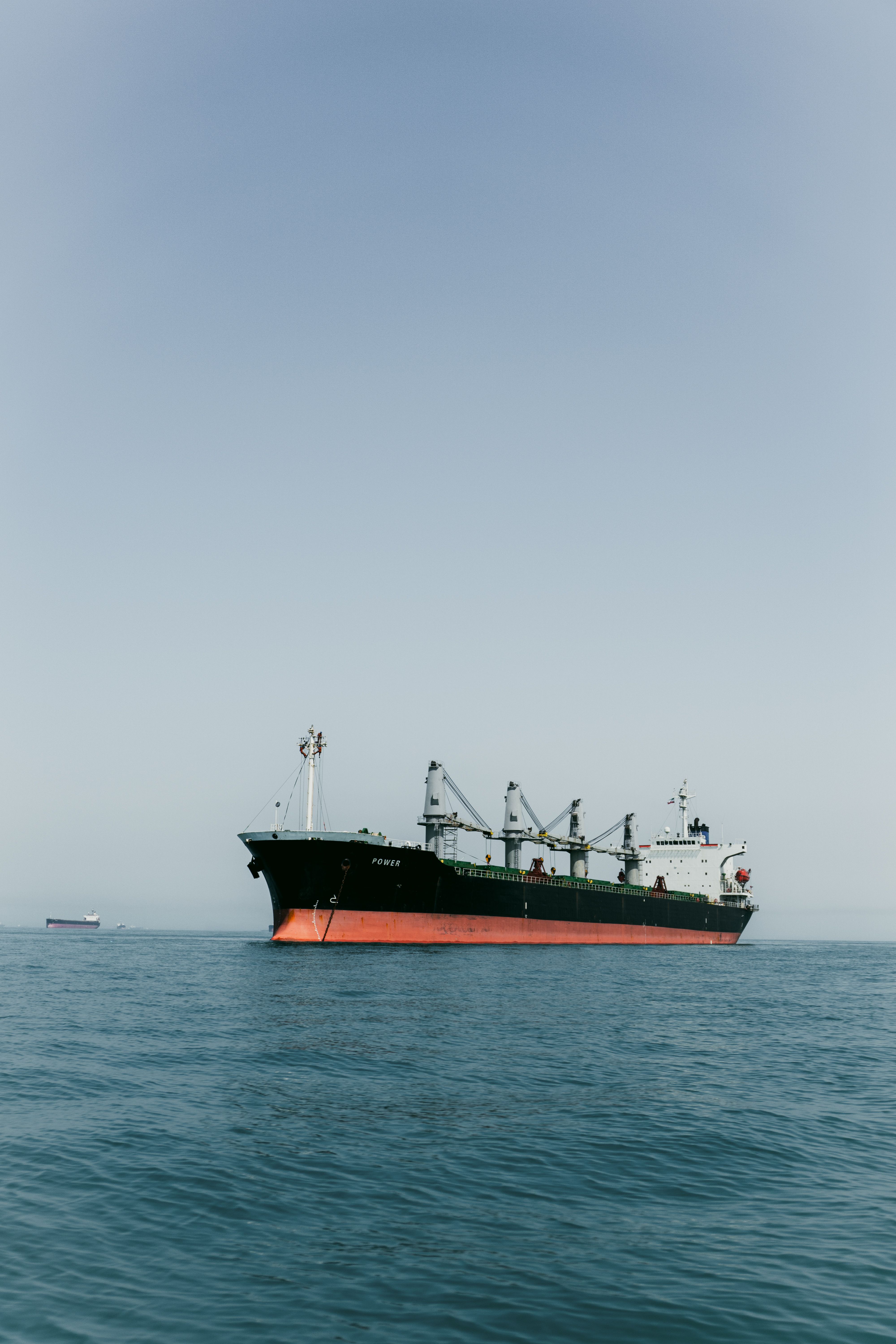
Early Sunday morning, the United States launched military actions against Iran. This significant move came in direct response to an alleged Iranian attack on a vessel traversing the strategically vital Strait of Hormuz. Following the US intervention, Iran reportedly retaliated by targeting several Gulf Arab nations, specifically Bahrain, Qatar, and the United Arab Emirates, marking a dangerous escalation of regional tensions.
WHO ARE THE KEY PLAYERS
The **United States** is a global superpower with significant strategic interests and military presence in the Middle East, aimed at ensuring regional stability and protecting maritime trade routes. Its actions are guided by President Donald J. Trump and its foreign policy is executed by Secretary of State Marco Rubio. **Iran**, officially the Islamic Republic of Iran, is a major regional power with a unique theocratic government and a long history of geopolitical friction with Western nations and some of its Arab neighbors. Its military, including the Islamic Revolutionary Guard Corps, is a significant force. **Bahrain**, **Qatar**, and the **United Arab Emirates (UAE)** are sovereign Gulf Arab states, all members of the Gulf Cooperation Council. They are crucial oil and gas producers, hosting significant US military bases, and have historically maintained complex, often tense, relationships with Iran.
UNDERSTANDING THE LOCATION
At the heart of this unfolding crisis is the **Strait of Hormuz**, a narrow sea passage connecting the Persian Gulf to the open ocean. It is arguably the world's most critical oil chokepoint, through which roughly one-fifth of global oil consumption passes daily, making its security paramount for international energy markets and global commerce. The **Persian Gulf** itself is a crescent-shaped body of water surrounded by major oil-producing nations, including Saudi Arabia, Iran, Iraq, Kuwait, Qatar, Bahrain, and the UAE, making it a hotbed of geopolitical activity and a vital artery for global trade.
BACKGROUND AND CONTEXT
The current events unfold against a backdrop of decades-long animosity between the United States and Iran, often referred to as the 'Shadow War.' Tensions have consistently simmered over Iran's nuclear program, its regional influence through proxy groups, and maritime incidents in the Persian Gulf. The US maintains a robust military presence in the region, including naval forces in the Gulf, specifically to deter aggression and protect international shipping. Iran, on its part, views the US presence as an infringement on its sovereignty and a threat to its security, often responding to perceived provocations with assertive actions, particularly concerning the Strait of Hormuz, which it has, at times, threatened to close.
EXPLAINING IMPORTANT REFERENCES
When the report mentions a “ship being hit,” it refers to an act of military aggression or sabotage against a maritime vessel. In this context, it typically implies a missile strike, a drone attack, or the deployment of naval mines, designed to damage or incapacitate the ship. An “attack” by the US on Iran, or by Iran on Gulf Arab states, signifies direct military action, likely involving targeted air strikes, drone operations, or potentially naval engagements, rather than cyber warfare or economic sanctions. These are deliberate uses of force with significant destructive potential.
IMPACT ANALYSIS
The immediate impact of these escalating hostilities is a profound destabilization of the Persian Gulf region. For Nigeria, a major oil producer, any disruption in the Strait of Hormuz could lead to significant fluctuations in global oil prices, potentially affecting the national budget and the cost of petrol (Premium Motor Spirit) for ordinary citizens. Furthermore, the safety of international shipping routes is now severely compromised, increasing insurance costs and logistical challenges for global trade. Diplomatically, this exchange of fire complicates efforts towards de-escalation and could draw in other regional and international actors, potentially widening the conflict. The direct targeting of Bahrain, Qatar, and the UAE by Iran suggests a broader regional confrontation, testing existing alliances and security agreements.
WHAT HAPPENS NEXT
The immediate future holds a high risk of further escalation. The United States will likely assess Iran's retaliatory strikes and consider its next course of action, possibly involving further defensive or offensive maneuvers. Iran, in turn, may continue to assert its regional power, particularly if it feels its sovereignty is threatened. International bodies like the United Nations may intensify calls for restraint and diplomatic solutions, but the immediate prospects for de-escalation appear challenging. Regional allies, including the Gulf Arab states, will be on high alert, potentially bolstering their defenses and seeking stronger assurances from their international partners. The global community will be keenly watching for any impact on oil supply and prices, as well as the safety of maritime passage through the Strait of Hormuz.
HERO PERSPECTIVE
Leverage On Heroes Media believes that in times of escalating international conflict, the true heroes are those who prioritize dialogue over destruction, and peace over provocation. The current tit-for-tat military actions between the US and Iran, with Gulf Arab states caught in the crossfire, represent a dangerous precipice for the entire global community. Our editorial stance emphasizes the urgent need for all parties to step back from the brink, engage in meaningful diplomatic efforts, and safeguard innocent lives and vital global trade routes. The cost of continued escalation, both in human lives and economic stability, is simply too high.
CLOSING
As the situation in the Persian Gulf remains tense and unpredictable, the world watches with bated breath, hoping for a swift return to diplomacy and a de-escalation of military activities that threaten to engulf a critical region in wider conflict.