
HEADLINE
Iyabo Obasanjo Cites Unmet Promises for APC Exit, Formally Joins PDP in Ogun State
OPENING HOOK
The political landscape of Ogun State is witnessing significant shifts following the recent defection of former Senator Iyabo Obasanjo, a prominent figure and daughter of former President Olusegun Obasanjo, from the ruling All Progressives Congress (APC) to the opposition Peoples Democratic Party (PDP). Her move, attributed to a breakdown of trust over unfulfilled agreements, highlights the fluid nature of party loyalty in Nigerian politics.
WHAT HAPPENED
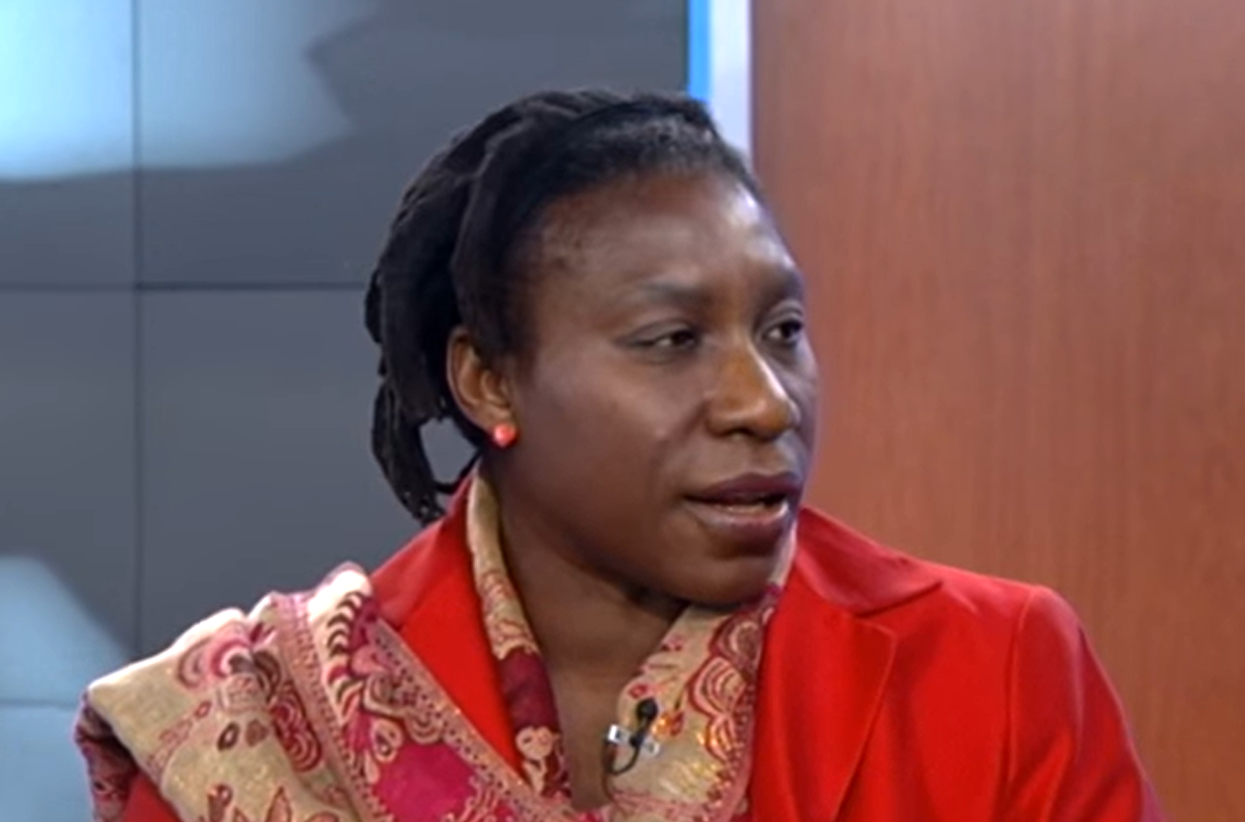
Former Senator Iyabo Obasanjo recently confirmed her resignation from the All Progressives Congress (APC), stating that her decision stemmed from the failure of a consensus candidate within the party in Ogun State to honour promises made to her and her political followers. Speaking on the popular 'Morayo Show', she explicitly stated her disappointment. Following this revelation, the Peoples Democratic Party (PDP) in Ogun State officially announced her reception into their fold on Wednesday, marking a notable shift in the state's political dynamics.
WHO ARE THE KEY PLAYERS
- **Iyabo Obasanjo:** A former Senator representing Ogun Central Senatorial District (2007-2011) and daughter of former President Olusegun Obasanjo. She holds a degree in Veterinary Medicine and has been actively involved in Nigerian politics, often charting her own course distinct from her father's immediate political leanings in recent years.
- **Olusegun Obasanjo:** A towering figure in Nigerian history, a former military head of state (1976-1979) and democratically elected President (1999-2007). His influence, though officially retired from partisan politics, still resonates across the nation.
- **All Progressives Congress (APC):** One of Nigeria's two dominant political parties, currently holding the presidency and a majority of governorships, including Ogun State. The APC was formed in 2013 from a merger of several opposition parties.
- **Peoples Democratic Party (PDP):** The other major political party in Nigeria, which governed from 1999 to 2015. The PDP maintains a significant presence across geopolitical zones, particularly in the South-South and South-East.
- **Consensus Candidate:** In Nigerian political parlance, a 'consensus candidate' refers to an aspirant chosen by party leaders or key stakeholders to represent the party in an election, often to avoid a competitive primary election. This process typically involves negotiations and promises made to other aspirants to secure their support.
UNDERSTANDING THE LOCATION
**Ogun State** is located in Nigeria's South-West geopolitical zone, bordering Lagos State to the south, Oyo and Osun States to the north, and the Republic of Benin to the west. Abeokuta is its capital. Known for its historical significance and economic potential, particularly in agriculture and industry, Ogun State is a crucial political battleground. Its proximity to Lagos often makes it a strategic hub for political maneuvering, with strong traditional institutions and a highly engaged electorate.
BACKGROUND AND CONTEXT
The practice of political defection, where politicians switch allegiances between parties, is a common feature of Nigeria's multi-party democracy. It often occurs due to disagreements over party primaries, unmet expectations for appointments, or perceived better opportunities in another party. The Obasanjo family has a long history in Nigerian politics, and while the patriarch, Olusegun Obasanjo, has publicly declared his detachment from partisan politics, his children's political activities naturally draw public attention. Iyabo Obasanjo herself has previously held elective office under the PDP before her brief sojourn with the APC.
EXPLAINING IMPORTANT REFERENCES
The core of Iyabo Obasanjo's grievance lies in a 'consensus candidate' who 'failed to keep promises'. In Nigeria, a 'consensus candidate' is often a product of internal party negotiations, where key players agree on a single aspirant without a full primary election. This process typically involves a quid pro quo: other aspirants step down in exchange for political patronage, appointments, or influence. When these 'promises' – which can range from securing a board appointment to influencing local government projects – are not met, it frequently leads to disaffection and defection, as seen in this instance. The 'Morayo Show' is a popular current affairs and talk show, providing a public platform for figures to express their views.
IMPACT ANALYSIS
Iyabo Obasanjo's defection could have several implications. For the APC in Ogun State, it represents the loss of a prominent figure with a recognizable name, potentially affecting their influence, especially in her former Ogun Central constituency. For the PDP, her entry is a boost, bringing in an experienced politician and adding to their ranks ahead of future elections. This move might energize the opposition and could signal a realignment of political forces within the state. It also underscores the transactional nature of much of Nigerian party politics, where personal interests and agreements often dictate party loyalty.
WHAT HAPPENS NEXT
With Iyabo Obasanjo now officially in the PDP, attention will turn to how she integrates into her new party and what role she will play in its strategy for upcoming elections, particularly the next governorship contest in Ogun State. Her move might encourage other disgruntled politicians within the APC to consider similar defections, especially if the perceived benefits of staying are outweighed by unmet expectations. The PDP will likely leverage her influence and network, while the APC will work to mitigate any fallout from her departure. Observers will also be keen to see if the 'promises' that lured her to the PDP are eventually fulfilled.
HERO PERSPECTIVE
Leverage On Heroes Media believes that this incident is a stark reminder of the underlying dynamics of Nigerian politics, where personal agreements and the fulfillment of promises often take precedence over ideological alignment. While politicians have the right to associate, the constant flux of defections based on unmet personal expectations can erode public trust in the political process. Our editorial angle emphasizes the need for greater transparency and accountability from political parties and their candidates. Voters deserve to understand the true motivations behind political shifts, not just the surface-level narratives. True heroes in politics are those who prioritize the collective good and uphold public trust, regardless of personal gain or disappointment within party ranks.
CLOSING
The defection of Iyabo Obasanjo from the APC to the PDP in Ogun State, driven by unfulfilled political promises, is a significant development. It highlights the intricate web of personal interests and political calculations that often shape party allegiance in Nigeria. As the political chess game continues, how this move influences the broader landscape of Ogun State, and indeed the national conversation around party loyalty and accountability, remains to be seen.