
HEADLINE
Kwara APC Launches Reconciliation Drive to Heal Post-Primary Election Rifts
OPENING HOOK
In a crucial effort to restore unity and address internal friction, the Kwara State chapter of Nigeria's ruling All Progressives Congress (APC) has commenced a significant reconciliation process, appealing to its members to set aside grievances and engage in constructive dialogue.
WHAT HAPPENED
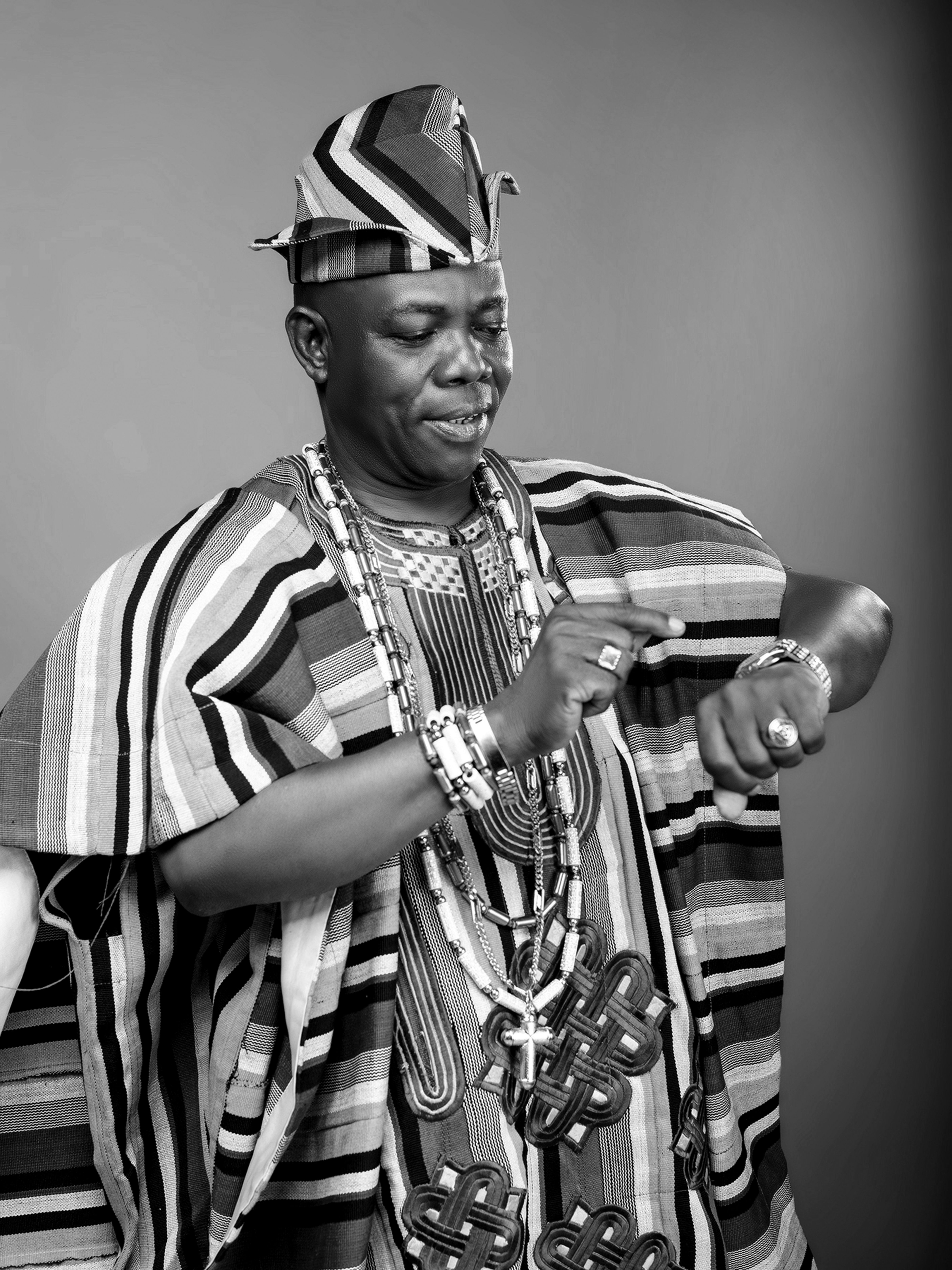
Retired Colonel AbdulWahab Ademola Lawal, who chairs the Kwara State All Progressives Congress (APC) Reconciliation Committee, has formally called upon members of the party who feel wronged or sidelined after the recent primary elections to embrace discussions and reconciliation. Speaking at a news conference in Ilorin on Wednesday, Lawal emphasized the need for an open-hearted approach to resolve what he termed a “family predicament,” urging stakeholders and members to avoid making comments that could further inflame tensions.
WHO ARE THE KEY PLAYERS
The central figure in this development is **Retired Colonel AbdulWahab Ademola Lawal**, who leads the Kwara State APC Reconciliation Committee. As a retired military officer, his background suggests a disciplined approach to conflict resolution. The **All Progressives Congress (APC)** is Nigeria's dominant political party, currently holding the presidency and a majority in both chambers of the National Assembly. Its internal stability is crucial for national governance. The **Kwara State APC Reconciliation Committee** is an ad-hoc body established by the party's state leadership specifically to mediate disputes and foster unity among members following the contentious primary elections. Its mandate is to ensure that all factions feel heard and to prevent defections or internal sabotage that could affect future electoral outings.
UNDERSTANDING THE LOCATION
This reconciliation effort is unfolding in **Kwara State**, located in Nigeria's North-Central geopolitical zone. Known as the "Gateway State," Kwara serves as a crucial link between the northern and southern parts of the country, boasting a diverse population and significant agricultural potential. Its capital, **Ilorin**, is a historically rich city and a major commercial hub. The political landscape of Kwara has often been dynamic, with fierce competition among political parties, making internal party cohesion especially vital for electoral success.
BACKGROUND AND CONTEXT
Disagreements following primary elections are a common feature of Nigeria's political landscape. Political parties, including the APC, conduct these internal contests to select candidates who will represent them in general elections for various offices, such as governorship, legislative seats, and local council positions. These primaries are often fiercely contested, leading to accusations of unfairness, imposition of candidates, and outright rigging. In Kwara State, like many other states, the fallout from these internal contests can create deep divisions, leading to factionalism, a lack of support for chosen candidates, and even defections to opposition parties. The current reconciliation drive is therefore a proactive measure by the Kwara APC to mend fences and ensure a united front as the next electoral cycle approaches.
EXPLAINING IMPORTANT REFERENCES
**Primary elections** are internal party contests where registered party members or delegates choose the party's official candidates for upcoming general elections. Think of it like a football team holding trials to pick the best players for the main match; only the selected players get to represent the team. **Inflammatory comments** refer to statements or remarks that are likely to provoke anger, hostility, or violence among people, often exacerbating existing tensions. It's like pouring fuel on a small fire, making it bigger and more dangerous. **Dialogue and reconciliation** is the process of open communication and negotiation between disagreeing parties with the aim of resolving conflicts, mending broken relationships, and achieving mutual understanding and peace. It's about sitting down to talk things through and finding common ground, rather than fighting.
IMPACT ANALYSIS
The success or failure of this reconciliation effort will have significant implications for the APC in Kwara State. A successful reconciliation would foster party unity, boost morale, and present a formidable front in future elections, potentially consolidating the party's hold on power. It could also lead to more effective governance if internal bickering is minimized. Conversely, if the committee fails to address the grievances adequately, it could deepen existing rifts, leading to further defections, internal sabotage, and a weakened party structure. This internal disunity could translate into poor electoral performance, potentially allowing opposition parties to gain ground in a state that is politically strategic. The ability of the APC to manage its internal conflicts is a litmus test for its democratic credentials and its capacity to govern effectively.
WHAT HAPPENS NEXT
The Kwara State APC Reconciliation Committee is expected to continue its outreach to aggrieved members, holding meetings and listening to their concerns. This process will likely involve various stakeholders, including party elders, youth wings, and women's groups, to ensure a comprehensive approach. The committee's findings and recommendations will then be presented to the state party leadership for implementation. The coming weeks will show if the appeals for dialogue translate into concrete steps towards healing and genuine reunification within the party, or if the divisions prove too deep to bridge. The outcome will undoubtedly shape the political landscape of Kwara State in the lead-up to the next round of elections.
HERO PERSPECTIVE
Leverage On Heroes Media believes that the strength of any democracy lies in the ability of its political parties to manage internal dissent and uphold justice. The Kwara APC's reconciliation efforts are a crucial test of its commitment to internal democracy and conflict resolution. A truly heroic political party is one that prioritizes unity, fairness, and dialogue over factionalism, ensuring that the collective interest of its members and the populace it serves remains paramount. This initiative, if genuinely executed, could serve as a model for political stability, reminding us that even within intense competition, peace and progress can be achieved through dialogue.
CLOSING
As the Kwara State APC Reconciliation Committee embarks on this critical mission, the eyes of political observers and citizens alike will be keenly watching. The path to unity is often fraught with challenges, but the commitment to dialogue remains the cornerstone of democratic progress and stable governance.