
HEADLINE
New Iranian Supreme Leader Mojtaba Khamenei Vows Retribution for Father's Death, Escalating Regional Tensions
OPENING HOOK
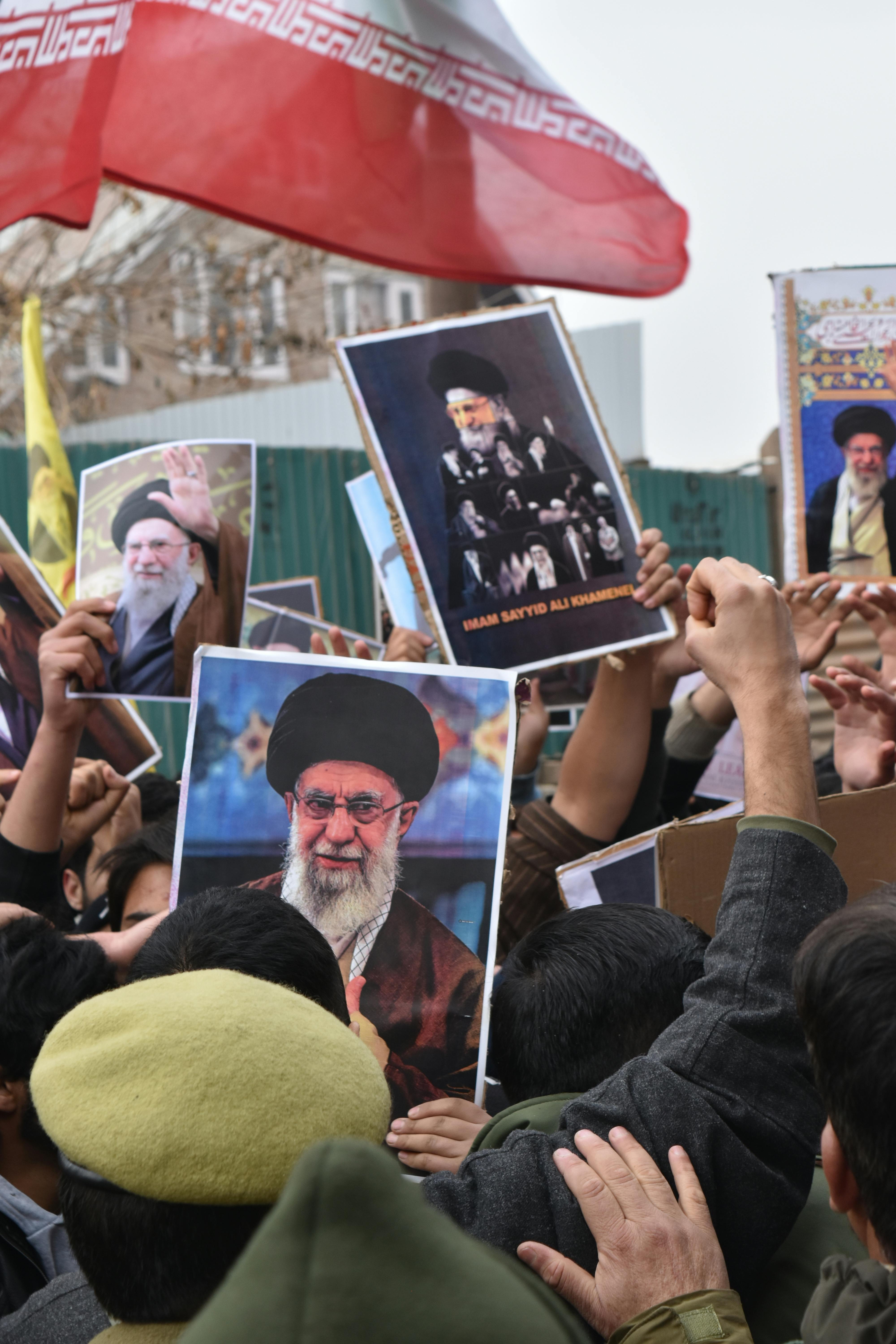
The Middle East, already grappling with deep-seated geopolitical tensions, faces a potentially volatile new chapter as Iran's recently appointed Supreme Leader, Ayatollah Mojtaba Khamenei, has publicly declared his intention to avenge the death of his father, the late Ayatollah Ali Khamenei. This pledge, made amidst solemn funeral rites, underscores the profound implications of the U.S.-Israeli airstrikes that led to the former leader's demise and ignited a broader regional conflict.
WHAT HAPPENED
During the ongoing funeral ceremonies for his father, the late Supreme Leader Ayatollah Ali Khamenei, Iran's new Supreme Leader, Ayatollah Mojtaba Khamenei, released a powerful statement vowing retribution. The message, disseminated via his official Telegram channel, asserted that avenging his father's killing is not only "the demand of the nation" but also an "inevitable outcome." This declaration directly links to the February 28 U.S.-Israeli airstrikes, which the Iranian leadership holds responsible for the death of Ayatollah Ali Khamenei and for triggering the current regional conflict.
WHO ARE THE KEY PLAYERS
**Ayatollah Mojtaba Khamenei:** The newly appointed Supreme Leader of Iran. As the son of the late leader, his ascension marks a significant dynastic and political transition. His current vow signals his early stance on Iran's foreign policy and regional engagements.
**Ayatollah Ali Khamenei:** The late Supreme Leader of Iran, who passed away following U.S.-Israeli airstrikes on February 28. He served as Iran's ultimate political and religious authority for several decades, shaping the nation's domestic and international trajectory.
**Iran:** An influential nation in the Middle East, known for its unique Islamic Republic system, its significant oil reserves, and its complex relationships with global powers. Its foreign policy is often characterized by its anti-Western stance and support for various regional non-state actors.
**United States and Israel:** Both nations are key Western allies with long-standing adversarial relations with Iran. The U.S.-Israeli airstrikes mentioned are a critical flashpoint, directly attributed by Iran to the death of its former leader and the instigation of the regional conflict.
UNDERSTANDING THE LOCATION
Iran, officially the Islamic Republic of Iran, is a country in West Asia. Bordered by Iraq, Turkey, Armenia, Azerbaijan, Turkmenistan, Afghanistan, and Pakistan, it holds a strategic position at the crossroads of Europe and Asia. Its capital is Tehran. Iran's political system is a unique blend of a theocracy and a presidential republic, where the Supreme Leader holds ultimate authority over all major state policies, including foreign affairs, defence, and nuclear programs. The recent events underscore Iran's central role in regional stability and global energy politics.
BACKGROUND AND CONTEXT
The pledge for retribution follows a period of intense regional instability, directly precipitated by the February 28 U.S.-Israeli airstrikes. These strikes, which led to the death of the former Supreme Leader, Ayatollah Ali Khamenei, are cited as the catalyst for a broader, ongoing regional conflict. The concept of the "Supreme Leader" in Iran signifies the highest religious and political office, holding ultimate power and final say on major state decisions. The transition of power from father to son, while not strictly hereditary in the traditional sense, reflects the deep-seated influence of the Khamenei family within Iran's political establishment. Historically, relations between Iran, the United States, and Israel have been fraught with tension, marked by sanctions, proxy conflicts, and rhetorical threats, making any call for vengeance a significant and potentially destabilizing development.
EXPLAINING IMPORTANT REFERENCES
**Ayatollah:** This is a high-ranking title given to Twelver Shia clerics. It means 'Sign of God' and signifies a scholar who has attained a high level of religious knowledge and authority, often capable of independent legal interpretation (ijtihad).
**Supreme Leader:** In Iran, this is the paramount religious and political authority. The Supreme Leader is commander-in-chief of the armed forces, controls the judiciary, and has the final say on major domestic and foreign policy decisions. He is elected by the Assembly of Experts, but his position is for life.
**Telegram channel:** Telegram is a popular, cloud-based instant messaging service. In many parts of the world, including Iran, it serves as a common platform for official announcements, news dissemination, and public communication by government officials and organizations, similar to how official press releases or social media accounts might be used elsewhere.
**Retribution/Avenge:** In this context, it refers to the act of inflicting punishment or vengeance upon those deemed responsible for the death of Ayatollah Ali Khamenei. This concept carries significant cultural and religious weight in Iranian society and can manifest in various forms, from diplomatic pressure to military action.
IMPACT ANALYSIS
Ayatollah Mojtaba Khamenei's vow of retribution carries profound implications for regional stability. Such a declaration from Iran's highest authority is not merely symbolic; it signals a hardened stance that could lead to further escalation of the ongoing conflict. For Nigeria, this could indirectly impact global oil prices and trade routes, given Iran's position as a major oil producer and its strategic location. The increased tensions could also draw in other regional and global powers, complicating international efforts towards peace and stability. Internally, the vow likely aims to galvanize popular support and consolidate the new Supreme Leader's authority, positioning him as a strong defender of national pride and religious principles in the wake of a national tragedy.
WHAT HAPPENS NEXT
The immediate focus will remain on the conclusion of the funeral ceremonies, which serve as a period of national mourning and consolidation for the new leadership. Following this, the international community will be closely watching for Iran's concrete actions to fulfill its vow of retribution. This could range from intensified diplomatic pressure and support for regional allies to more direct military responses. The United States and Israel will likely remain on high alert, potentially increasing their military presence and intelligence gathering in the region. The coming weeks and months are expected to be a critical period for Middle East diplomacy, with a high risk of miscalculation and further escalation.
HERO PERSPECTIVE
Leverage On Heroes Media views this development with serious concern, emphasizing the escalating cycle of violence that threatens to engulf the Middle East. While understanding the profound sense of loss and the demand for justice within Iran, we believe true heroism lies in leadership that seeks de-escalation, dialogue, and a path away from endless conflict. The pursuit of vengeance, however justified it may feel to some, often perpetuates suffering and undermines the long-term prospects for peace. Our perspective calls for all parties to prioritize the protection of civilian lives and to explore every diplomatic avenue to prevent further bloodshed and regional destabilization.
CLOSING
The solemn pledge by Iran's new Supreme Leader, Ayatollah Mojtaba Khamenei, to avenge his father's death marks a critical juncture in the Middle East. As funeral rites conclude, the world watches with bated breath, hoping that the path forward will ultimately lead to dialogue and de-escalation, rather than an intensification of the already tragic regional conflict.