HEADLINE
South Sudan at 15: A Nation's Enduring Struggle for Lasting Peace and Stability
OPENING HOOK
As South Sudan marks its fifteenth year of independence, the initial hopes for a prosperous and peaceful future for Africa's newest nation remain largely unfulfilled. A persistent cycle of political gridlock, ethnically-charged conflicts, and widespread economic hardship continues to test the resilience of its people and the efficacy of international peace efforts.
WHAT HAPPENED
Fifteen years after achieving sovereignty, South Sudan finds itself mired in a protracted struggle, characterized by a significantly stalled peace process, escalating humanitarian needs, and profound economic instability. The nation, which separated from Sudan in 2011, is still grappling with the full implementation of its 2018 Revitalised Agreement on the Resolution of the Conflict in South Sudan (R-ARCSS), leaving its political future uncertain and its citizens vulnerable.
WHO ARE THE KEY PLAYERS
At the heart of South Sudan’s political landscape are key figures like **President Salva Kiir Mayardit** and **First Vice President Riek Machar**. President Kiir, a leader of the Sudan People's Liberation Movement (SPLM), has been at the helm since independence. Dr. Machar, a prominent opposition figure, leads the SPLM-IO (in opposition) and has been a central, often contentious, figure in the nation's political and military conflicts. Regional bodies like the **Intergovernmental Authority on Development (IGAD)**, an eight-country trade bloc in East Africa, have played a crucial role in mediating peace deals. The **African Union (AU)**, a continental body promoting unity and development, also contributes to peace-building efforts. Globally, the **United Nations (UN)** maintains a significant peacekeeping presence through the UN Mission in South Sudan (UNMISS) and is a major provider of humanitarian aid, working alongside numerous **international non-governmental organizations**.
UNDERSTANDING THE LOCATION
South Sudan, a landlocked country in East-Central Africa, is the world's youngest nation, having gained independence from Sudan in 2011. Its capital city is Juba. The country shares borders with Sudan to the north, Ethiopia to the east, Kenya, Uganda, and the Democratic Republic of Congo to the south, and the Central African Republic to the west. Despite being rich in oil resources, its infrastructure remains largely undeveloped, and its population is diverse, comprising over 60 ethnic groups, with the Dinka and Nuer being the largest and often at the center of political power struggles.
BACKGROUND AND CONTEXT
South Sudan's journey to independence was long and arduous, marked by decades of civil war with Sudan. The euphoria of 2011 quickly faded as a new civil war erupted in December 2013, primarily between forces loyal to President Kiir and those aligned with Dr. Machar. This conflict, largely along ethnic lines (Dinka vs. Nuer), led to widespread atrocities and displacement. The 2018 R-ARCSS, signed in Addis Ababa, Ethiopia, aimed to create a Transitional Government of National Unity (RTGoNU) and pave the way for democratic elections. However, key provisions, such as security sector reform, constitutional making, and the establishment of transitional justice mechanisms, have seen minimal progress, leaving the nation in a state of perpetual transition.
EXPLAINING IMPORTANT REFERENCES
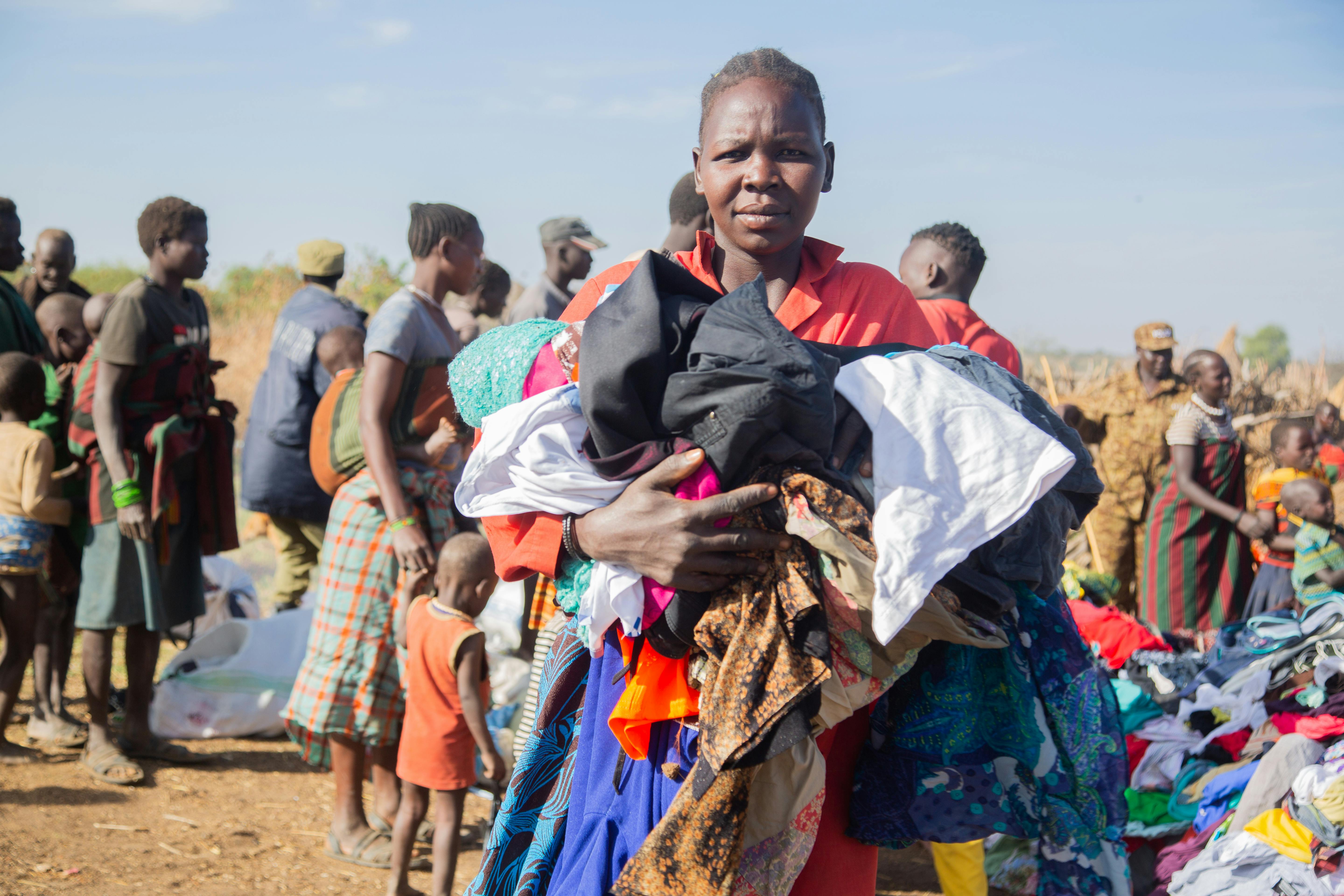
The **peace process** refers to the comprehensive implementation of the 2018 R-ARCSS, which includes integrating rival forces into a unified national army, drafting a permanent constitution, and preparing for credible elections. The persistent delays in these areas are a major concern. **Humanitarian needs** in South Sudan are immense; millions face severe food insecurity, meaning they struggle to get enough food to eat daily, much like a family in Nigeria struggling to afford basic foodstuffs due to high market prices. Many are also internally displaced, losing their homes and livelihoods, similar to people displaced by conflict in Nigeria's North-East. The nation's **economic challenges** stem from its heavy reliance on oil revenue, which accounts for over 90% of government income. Corruption, mismanagement, and the global volatility of oil prices mean that the government struggles to provide basic services or diversify its economy, impacting the average citizen's ability to earn a living or access essential goods.
IMPACT ANALYSIS
The stalled peace process has had devastating impacts. The **humanitarian crisis** is one of the world's most severe, with over two-thirds of the population, approximately 9 million people, requiring humanitarian assistance. Millions remain displaced, unable to return home or rebuild their lives, creating a generation scarred by conflict and poverty. **Economic stagnation** means that despite oil wealth, the majority of South Sudanese live in extreme poverty, with limited access to healthcare, education, or clean water. The lack of stability deters foreign investment, hindering job creation and development. Regionally, the instability in South Sudan poses a significant security challenge, contributing to refugee flows and cross-border tensions with neighboring countries. Politically, the repeated delays in implementing the peace agreement erode public trust and prolong the country's fragile transition to a stable, democratic government.
WHAT HAPPENS NEXT
The immediate future of South Sudan hinges on the implementation of the remaining benchmarks of the R-ARCSS, particularly the preparations for the nation's first-ever general elections. Originally scheduled for 2024, these elections have been further delayed, raising questions about the commitment of the political leadership. International pressure from the UN, AU, and IGAD will continue to be crucial in pushing for adherence to the peace agreement. Without significant progress on security sector reform and constitutional drafting, the risk of renewed conflict remains high. Furthermore, sustained humanitarian aid will be essential to prevent a worsening of the already dire conditions for millions of South Sudanese.
HERO PERSPECTIVE
Leverage On Heroes Media believes the true heroes of South Sudan are its ordinary citizens, who, despite enduring unimaginable hardship and political betrayal, continue to hope and strive for peace. The nation's fifteenth anniversary is not merely a marker of time, but a poignant reminder that independence is only the first step; true heroism lies in the consistent, accountable leadership required to build and sustain a just and peaceful society. The international community, too, has a heroic role to play, not just in providing aid, but in ensuring that accountability mechanisms are robust and that political leaders are compelled to honor their commitments to peace and development. The path forward demands courage, integrity, and an unwavering commitment to the people's welfare.
CLOSING
South Sudan stands at a critical juncture. The promise of independence, once a beacon of hope, is now overshadowed by a decade and a half of unfulfilled aspirations. For lasting peace to take root, political leaders must prioritize national interest over personal or ethnic agendas, and the international community must maintain its vigilance and support, ensuring that the world's youngest nation can finally realize its full potential for stability and prosperity.