HEADLINE
Tens of Thousands Rally in London for Annual Pride Parade, Championing LGBT+ Rights and Visibility
OPENING HOOK
In a powerful demonstration of unity and advocacy, central London recently transformed into a vibrant sea of colour and sound as tens of thousands of individuals took to the streets for the city's annual LGBT+ Pride parade, a pivotal event in the global fight for equality and human dignity.
WHAT HAPPENED
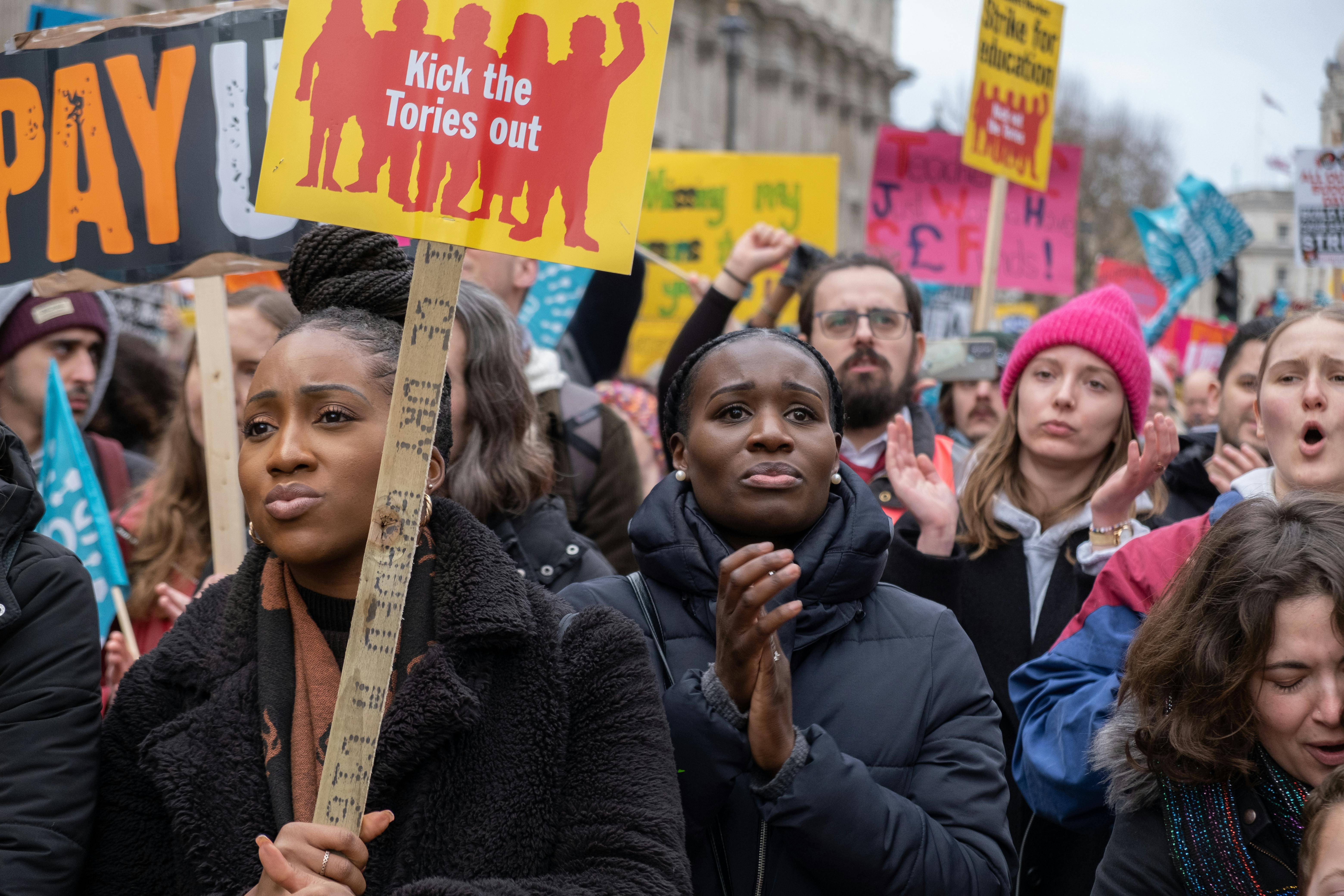
More than 35,000 people, representing approximately 600 distinct groups, marched through central London for the annual Lesbian, Gay, Bisexual, Transgender, and others (LGBT+) Pride parade. The procession commenced at Hyde Park Corner, weaving its way through the iconic Piccadilly Circus, before culminating at Whitehall. A notable participant in the demonstration was the Mayor of London, Sadiq Khan, who joined the diverse crowd on Saturday afternoon, underscoring the event's significance and broad support.
WHO ARE THE KEY PLAYERS
The primary 'key players' in this event are the **LGBT+ community and their allies**, who constitute the vast majority of marchers, advocating for their rights and celebrating their identities. **Pride in London** is the non-profit organisation responsible for planning and executing the annual parade, ensuring its smooth operation and impactful reach. **Sadiq Khan**, as the current Mayor of London, holds a significant political office overseeing the city's administration and public services. His presence at the parade lends official endorsement and solidarity from the city's leadership. The **Metropolitan Police Service** and other city authorities play crucial roles in ensuring public safety and managing the logistics of such a large-scale public event.
UNDERSTANDING THE LOCATION
**London**, the capital city of England and the United Kingdom, serves as a global hub for finance, culture, and politics, making it a prominent stage for international events and demonstrations. Its diverse population and historical significance often position it at the forefront of social movements. The parade route traversed several iconic landmarks: **Hyde Park Corner** is a major road junction and a significant open space, historically a site for public speaking and demonstrations. **Piccadilly** is a famous street in the West End of London, known for its shops and entertainment, while **Whitehall** is a street in the City of Westminster, home to numerous government departments and ministries, making it a symbolic endpoint for a protest and celebration aiming to influence policy and public perception.
BACKGROUND AND CONTEXT
The modern Pride movement traces its roots back to the **Stonewall Riots of 1969** in New York City, a series of spontaneous demonstrations by members of the LGBT+ community against a police raid. These events ignited the contemporary gay rights movement globally. In the United Kingdom, the first organised Pride march took place in London in 1972, serving as both a celebration of identity and a protest against discrimination. Over the decades, the UK has made significant strides in LGBT+ rights, including the decriminalisation of homosexual acts in 1967 (in England and Wales), the introduction of civil partnerships in 2004, and the legalisation of same-sex marriage in 2013 (in England and Wales). The annual London Pride parade continues this legacy, commemorating past struggles while advocating for ongoing challenges, such as transgender rights and combating hate crimes.
EXPLAINING IMPORTANT REFERENCES
The term **LGBT+** is an acronym that stands for Lesbian, Gay, Bisexual, and Transgender, with the plus sign encompassing other sexualities and gender identities such as Queer, Intersex, Asexual, and more. It is used to collectively refer to diverse communities united by shared experiences of non-heterosexual orientations or non-cisgender identities. **Pride**, in this context, refers to a global movement and series of events celebrating LGBT+ culture, identity, and rights. It's a demonstration of self-affirmation, dignity, equality, and increased visibility for sexual and gender minorities. **Sadiq Khan**, as the **Mayor of London**, is the directly elected head of the Greater London Authority, responsible for strategic city-wide governance, including transport, policing, and economic development. His participation signifies political support for the LGBT+ community and reinforces London's image as an inclusive city.
IMPACT ANALYSIS
The London Pride parade serves multiple critical functions. Firstly, it significantly enhances the **visibility and awareness** of the LGBT+ community, fostering greater understanding and acceptance among the broader public. For many participants, it is a vital expression of identity and solidarity, reducing feelings of isolation. Secondly, it carries substantial **political significance**, acting as a powerful annual reminder to policymakers of the community's demands for full equality and protection under the law. The sheer numbers demonstrate a formidable voting bloc and a strong social movement. Thirdly, beyond its social and political dimensions, large-scale events like Pride also provide a considerable, albeit temporary, **economic boost** to the local hospitality and retail sectors, as participants and spectators patronise businesses along the route and within the city. Finally, London Pride sends a powerful **global message** about human rights and inclusivity, influencing perceptions and inspiring similar movements in other parts of the world.
WHAT HAPPENS NEXT
While the parade itself is a one-day event, its impact resonates throughout the year. The momentum generated often fuels continued advocacy efforts by LGBT+ organisations, pushing for further legislative changes and social reforms. Debates around specific rights, such as comprehensive protections for transgender individuals or more robust measures against hate crimes, are likely to intensify. The annual nature of Pride ensures that the conversation around LGBT+ rights remains prominent in public discourse, with organisers already planning for future events. Globally, the success and scale of London Pride can inspire activists in countries where LGBT+ rights are still nascent or under threat, reinforcing the universal call for equality and human dignity.
HERO PERSPECTIVE
Leverage On Heroes Media believes that the London Pride parade stands as a profound testament to the power of collective action and unwavering courage. It is a vivid reminder that the fight for human dignity and equal rights is a continuous journey, often paved by the brave steps of those who refuse to be silenced. This annual gathering in one of the world's most influential cities not only celebrates diverse identities but also champions the fundamental principle that every individual deserves respect, recognition, and the freedom to live authentically. We celebrate the heroes, both visible and unsung, who continue to march for a more just and inclusive world.
CLOSING
The annual London Pride parade is more than just a celebration; it is a powerful statement of resilience, a call for continued progress, and a vibrant affirmation of the fundamental right to love and be loved, free from prejudice and discrimination.