
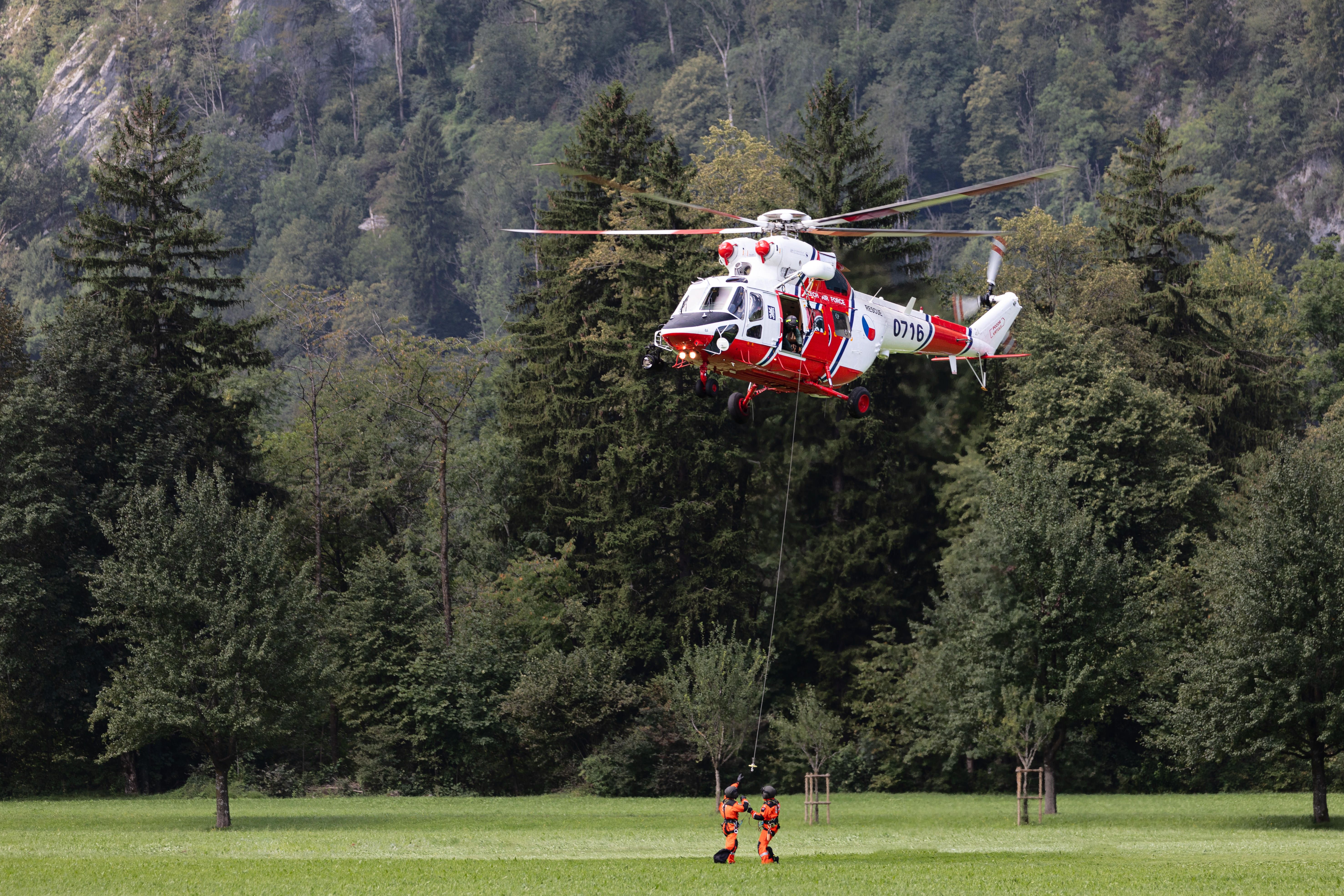
HEADLINE
Two Bodies Recovered and Search Ongoing After Avalanche Hits Nirmal Purja's Climbing Team on Broad Peak
OPENING HOOK
When the majestic mountains turn deadly, the race against time begins not just for the climbers trapped in the snow, but for rescue coordinators watching the weather close in from base camp.
WHAT HAPPENED
Two bodies have been recovered and rescue teams are pressing on with a wider search operation after an avalanche struck the mountaineering expedition led by prominent climber Nirmal Purja on Pakistan's Broad Peak. Drone deployments by the search teams have successfully spotted seven additional individuals, though their medical condition and precise status remain unconfirmed due to treacherous terrain and rapidly shifting weather patterns.
WHO ARE THE KEY PLAYERS
Nirmal Purja is a globally celebrated mountaineer and former elite soldier known for scaling all fourteen of the world's eight-thousand-meter peaks in record time, as well as leading high-altitude commercial expeditions. His team comprises elite international climbers and local high-altitude support workers who face immense risks to navigate these remote mountain ranges.
UNDERSTANDING THE LOCATION
Broad Peak is located in the Karakoram mountain range on the border between Pakistan and China. Standing at 8,051 meters above sea level, it is the twelfth-highest mountain in the world and is frequently tackled by elite mountaineers attempting major Himalayan and Karakoram summits.
BACKGROUND AND CONTEXT
High-altitude mountaineering in Pakistan's Gilgit-Baltistan region has grown increasingly popular among international adventurers, drawing significant tourism revenue to local communities. However, the Karakoram range is notoriously volatile, characterized by sudden avalanches, extreme sub-zero temperatures, and unpredictable weather windows that test even the most experienced professionals.
EXPLAINING IMPORTANT REFERENCES
An avalanche is a rapid, powerful flow of snow sliding down a mountain slope, often triggered by a disturbance in snowpack stability such as heavy winds, temperature changes, or human weight. Drones are unmanned aerial vehicles controlled remotely, which rescue teams increasingly deploy to scan dangerous, inaccessible cliffs and crevasses without risking additional human lives.
IMPACT ANALYSIS
This tragedy highlights the persistent dangers of commercial high-altitude mountaineering and the heavy emotional and physical toll it takes on local and international climbing communities. For Pakistan's tourism sector, safety incidents on peaks like Broad Peak can prompt renewed calls for stricter regulation of expedition companies and mandatory safety protocols.
WHAT HAPPENS NEXT
Search and rescue coordinators will continue deploying drones and ground teams as soon as weather conditions permit to reach the seven individuals spotted on the mountain. Diplomatic channels and local authorities will coordinate the repatriation of the recovered bodies and communicate updates to the affected families and expedition sponsors.
HERO PERSPECTIVE
The recovery of two bodies and the drone sighting of seven individuals on Broad Peak underscore the extreme logistical and atmospheric hazards defining modern high-altitude rescue operations in the Karakoram range.
CLOSING
As the rescue operation unfolds under severe weather constraints, the global mountaineering community watches anxiously, hoping for a swift and safe resolution for the remaining climbers stranded on the slopes of Broad Peak.