
HEADLINE
Keir Starmer May Award Resignation Honours Upon Leaving Office
OPENING HOOK
In a significant shift from his previous public statements, British Prime Minister Keir Starmer has indicated a willingness to consider awarding resignation honours when he eventually steps down from his position at 10 Downing Street.
WHAT HAPPENED
Prime Minister Keir Starmer, who is expected to leave office in approximately ten days, has twice declined to definitively rule out the possibility of creating a list of honours to be awarded upon his departure. This potential move marks a departure from his earlier pledge made three years ago, where he stated he would not pursue such a list when his tenure concluded. The next Prime Minister is anticipated to be Andy Burnham.
WHO ARE THE KEY PLAYERS
- **Keir Starmer:** The current Prime Minister of the United Kingdom. He is a prominent figure in the Labour Party and has held the office of Prime Minister since 2024. His potential decision to award resignation honours is the central focus of this report.
- **Andy Burnham:** Identified as the likely successor to Prime Minister Keir Starmer. Burnham is a senior politician within the Labour Party and is poised to take over the premiership.
UNDERSTANDING THE LOCATION
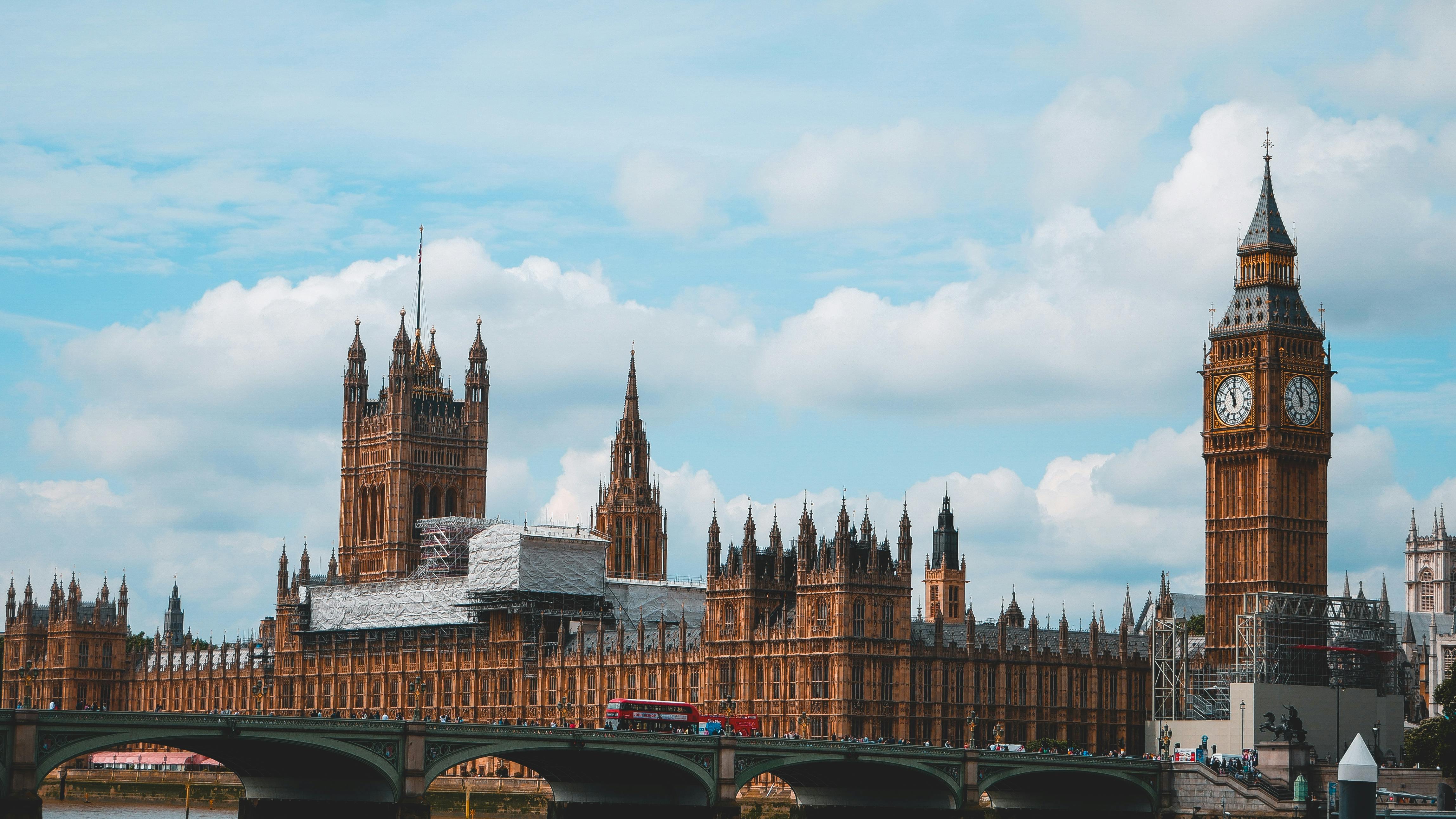
- **10 Downing Street (The United Kingdom):** This is the official residence and principal workplace of the Prime Minister of the United Kingdom. Located in the City of Westminster, London, it is the nerve centre of the British government, from where the Prime Minister directs national policy and conducts official duties.
BACKGROUND AND CONTEXT
Historically, British Prime Ministers have often compiled lists of honours to be bestowed upon individuals who have served them or the country during their time in office, particularly upon their departure. These 'resignation honours' can include peerages (appointing individuals to the House of Lords), knighthoods, and other forms of recognition. However, the practice has faced criticism over the years, with concerns raised about cronyism and the potential for political favouritism in the awarding of honours. Prime Minister Starmer's previous opposition to this practice suggests a desire to reform or distance himself from what some perceive as outdated political traditions.
EXPLAINING IMPORTANT REFERENCES
- **Resignation Honours:** This refers to a list of individuals recommended by a departing Prime Minister for royal honours, such as peerages (seats in the House of Lords), knighthoods, or other awards. These are typically granted as a final act before leaving office.
- **House of Lords:** One of the two houses of the Parliament of the United Kingdom. It is primarily composed of life peers, hereditary peers, and bishops. Its main role is to scrutinise legislation and hold the government accountable.
- **Peerage:** A rank of the nobility in the United Kingdom. A life peerage grants an individual a title that can be used for life and includes a seat in the House of Lords, but it cannot be inherited.
- **Knighthood:** A title of honour bestowed by the British monarch, typically for significant contributions to public life or service. Knights are often addressed as 'Sir' (or 'Dame' for women).
IMPACT ANALYSIS
Prime Minister Starmer's potential U-turn on resignation honours could have several implications. Firstly, it may lead to criticism from political opponents and the public, who might view it as a breach of his earlier commitment and a potential endorsement of a practice seen by some as undemocratic or self-serving. Secondly, it could set a precedent for future leaders, potentially normalising the awarding of such honours. Conversely, if the honours are seen to be awarded based on genuine merit and service, it might mitigate some of the backlash. The specific individuals who might be considered for honours, and the nature of those honours, will be crucial in shaping public perception.
WHAT HAPPENS NEXT
In the coming days, it is expected that Prime Minister Starmer will either confirm or deny his intention to establish a resignation honours list. If he proceeds, the list of recipients will likely be scrutinised intensely by the media and the public. The process of awarding these honours will be managed by the relevant authorities within the UK government and Buckingham Palace, culminating in their formal bestowal once the Prime Minister officially leaves office and is succeeded by Andy Burnham.
HERO PERSPECTIVE
Leverage On Heroes Media views this development with a critical eye towards accountability and integrity in public service. While honours can recognise genuine contributions, the practice of resignation honours has long been a subject of controversy, often perceived as a reward for loyalty rather than merit. Our editorial stance is that transparency and adherence to principles are paramount. If Prime Minister Starmer proceeds with this list, it must be demonstrably free from favouritism and clearly aligned with public service, upholding the highest standards of integrity expected of leaders.
CLOSING
As the United Kingdom prepares for a change in leadership, the question of resignation honours looms, potentially testing public trust and the commitment to transparent governance. The coming weeks will reveal Prime Minister Starmer's final decision and its reception by the nation.