
HEADLINE
US Administration Considers Removing Syria from State Sponsors of Terrorism List: A Geopolitical Tightrope Walk
OPENING HOOK
In a move that could significantly alter the geopolitical landscape of the Middle East, the United States government is reportedly evaluating whether to remove Syria from its controversial list of state sponsors of terrorism. This potential shift sparks critical questions about Syria's internal stability, its readiness for global re-engagement, and the broader implications for international diplomacy.
WHAT HAPPENED
Reports indicate that the administration of President Donald J. Trump is actively reviewing the status of Syria on the United States' list of state sponsors of terrorism. This consideration suggests a potential diplomatic overture, signaling a re-evaluation of US policy towards the embattled nation, which has been ostracized by many Western countries for over a decade.
WHO ARE THE KEY PLAYERS
The primary actors in this unfolding narrative are the **United States government**, led by **President Donald J. Trump**, whose administration is spearheading this review. US Secretary of State **Marco Rubio** would play a significant role in any diplomatic processes related to such a decision. On the other side is the **Syrian government**, headed by **President Bashar al-Assad**, who has maintained power despite a prolonged civil war. International bodies like the **United Nations** and various humanitarian organizations are also key stakeholders, closely observing developments due to their involvement in the region's humanitarian crises.
UNDERSTANDING THE LOCATION
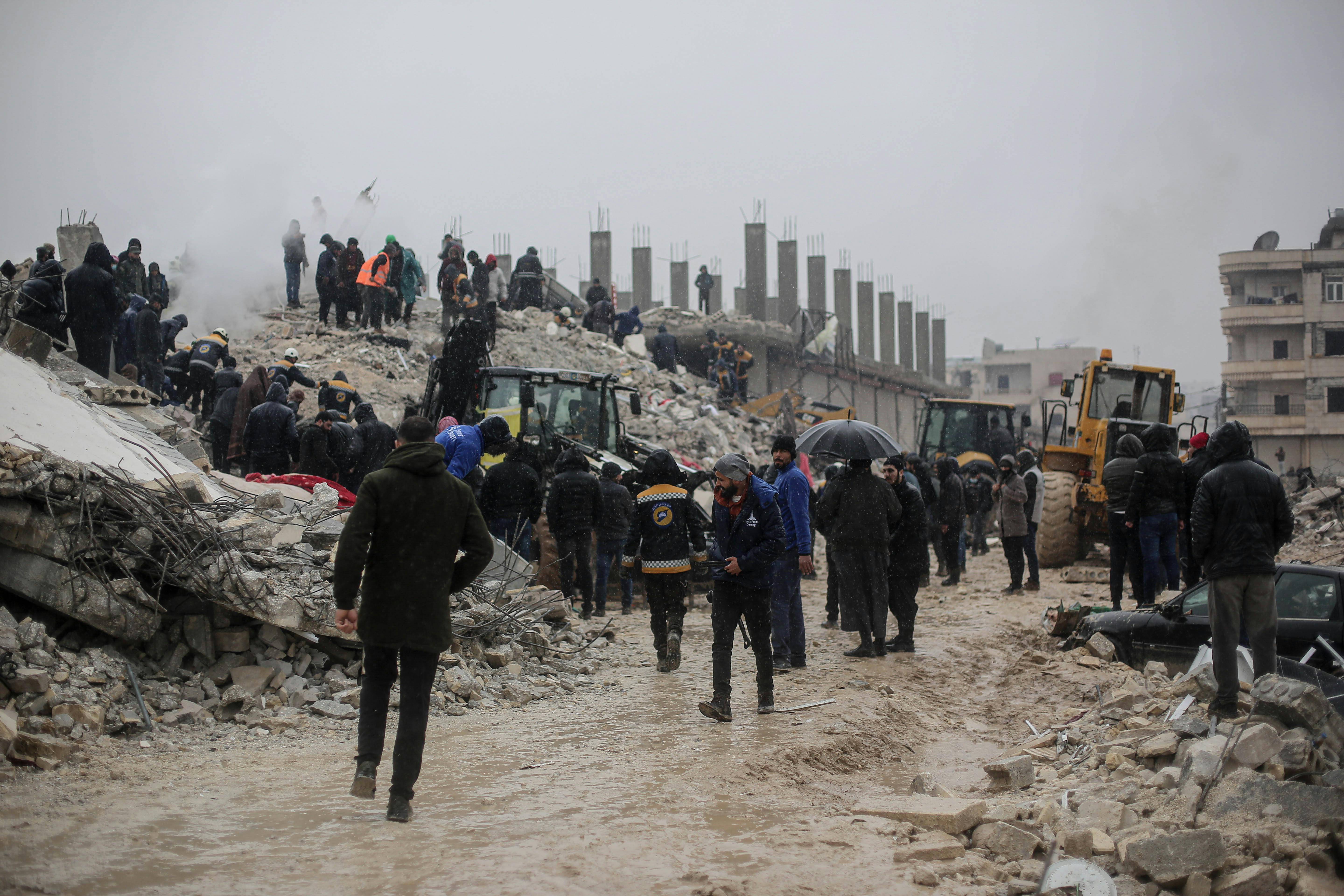
**Syria** is a country in Western Asia, bordered by Lebanon, Turkey, Iraq, Jordan, and Israel. Its capital is Damascus, one of the oldest continuously inhabited cities in the world. Syria has a rich history and diverse cultural heritage, but it has been devastated by a civil war that began in 2011. This conflict has led to immense loss of life, displacement of millions, and widespread destruction of infrastructure, leaving large parts of the country in ruins and under the control of various factions, including the Syrian government, opposition groups, and extremist organizations.
BACKGROUND AND CONTEXT
Syria was first designated as a state sponsor of terrorism by the US in 1979, primarily due to its alleged support for various militant groups operating against Israel and its presence in Lebanon. This designation imposes stringent sanctions, including restrictions on US foreign aid, defense exports, and financial transactions. The Syrian civil war, which erupted in 2011, further isolated the regime of Bashar al-Assad, leading to increased international sanctions and diplomatic condemnation. The war saw various foreign powers intervene, complicating efforts for a resolution and leaving the country fragmented. Any move to delist Syria would represent a significant departure from decades of US policy and could be interpreted as a step towards normalizing relations with the Assad regime.
EXPLAINING IMPORTANT REFERENCES
The **"State Sponsors of Terrorism" list** is a formal designation by the United States Department of State. It identifies countries that the US government determines have repeatedly provided support for acts of international terrorism. Countries on this list face severe US sanctions, which include bans on arms-related exports and sales, restrictions on economic assistance, and financial and other restrictions. For a country like Syria, being on this list means it is largely cut off from the international financial system and many forms of foreign aid, severely hampering its economic recovery and reconstruction efforts. The term 'terrorism' in this context refers to politically motivated violence perpetrated against noncombatant targets by subnational groups or clandestine agents, typically intended to influence an audience.
IMPACT ANALYSIS
Removing Syria from this list could have multi-faceted impacts. Economically, it could pave the way for reduced sanctions, potentially attracting foreign investment and aid crucial for rebuilding the war-torn nation. This could mean a slight ease in the cost of basic commodities, potentially making essential goods like a bag of rice or transport fares a little more accessible for the average Syrian. Diplomatically, it might signal a shift in US foreign policy, potentially encouraging other nations to re-engage with the Assad government. However, critics argue that such a move could legitimize a regime accused of severe human rights abuses and war crimes, potentially undermining international efforts to hold the Syrian government accountable. Regionally, it could alter power dynamics, especially concerning Iran's influence in Syria and Israel's security concerns. For Nigeria, while not directly impacted, a more stable Middle East could indirectly affect global oil prices and international trade routes, which are always relevant to our economy.
WHAT HAPPENS NEXT
The process for removing a country from the State Sponsors of Terrorism list typically involves a certification by the US Secretary of State to Congress that the country has not supported international terrorism for at least six months and has provided assurances it will not do so in the future. Observers will be keenly watching for official statements from Secretary Marco Rubio and the US State Department. Should the delisting proceed, the international community will then scrutinize Syria's subsequent actions regarding internal reforms, human rights, and its relationships with regional and global actors. The decision will undoubtedly spark intense debate within the US Congress and among international allies.
HERO PERSPECTIVE
Leverage On Heroes Media believes this potential policy shift underscores the profound complexities of international relations and the difficult balance between punitive measures and pragmatic engagement. While accountability for past actions remains paramount, the humanitarian crisis and urgent need for stability in Syria demand a nuanced approach. Our focus remains on how such a decision, if actualized, impacts the lives of ordinary Syrians and whether it genuinely paves the way for a sustainable peace and reconstruction, rather than merely emboldening an authoritarian regime. We advocate for a solution that prioritizes human dignity and long-term regional stability, rather than short-term political expediency.
CLOSING
The deliberation over Syria's status on the US terrorism list represents a critical juncture in global diplomacy. The decision, whatever its outcome, will ripple across the Middle East and beyond, shaping the future of Syria and influencing the broader landscape of international engagement with nations in conflict.