
HEADLINE
Venezuela Grapples with Devastation as Twin Earthquakes Claim Over 4,000 Lives, Demanding Massive Recovery Effort
OPENING HOOK
The South American nation of Venezuela is in mourning and facing an unprecedented humanitarian challenge following a catastrophic seismic event that has left thousands dead, many more injured, and entire communities in ruins. The scale of the disaster, particularly in the coastal state of La Guaira, highlights the urgent need for both immediate relief and a long-term, coordinated recovery strategy.
WHAT HAPPENED
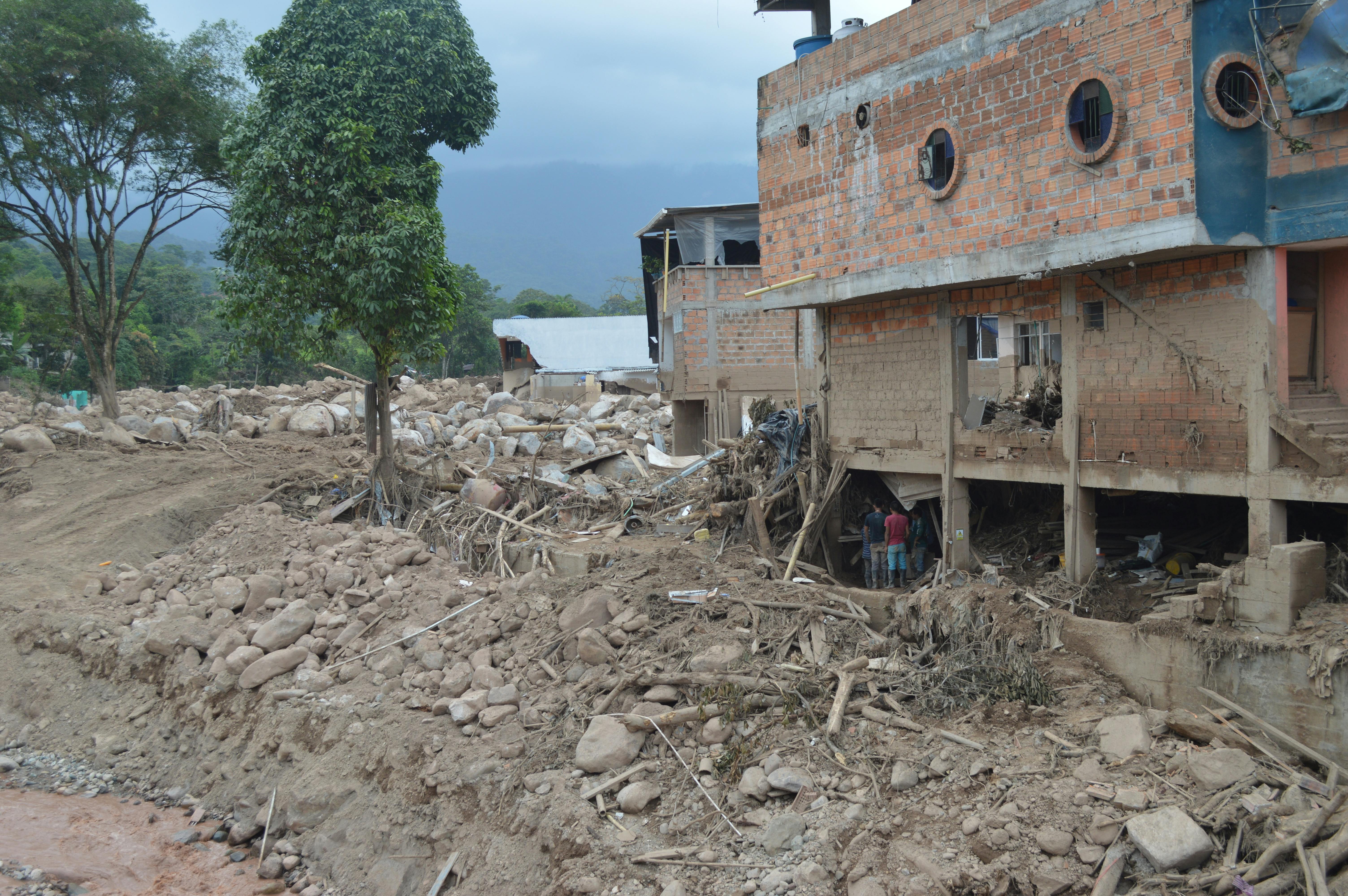
Venezuela is reeling from the impact of devastating twin earthquakes that struck on June 24, resulting in a confirmed death toll of at least 4,118 people. The back-to-back seismic events also left 16,740 individuals injured, with thousands more still reported missing. The tremors caused widespread destruction, particularly in the coastal state of La Guaira, where entire districts were flattened. The grim figures were confirmed by Jorge Rodríguez, the President of Venezuela's National Assembly, in an official statement, underscoring the severe impact on the nation's infrastructure and population. Both the United Nations (UN) and the Venezuelan government, led by President Nicolás Maduro and Executive Vice President Delcy Rodríguez, have issued urgent pleas for financial and humanitarian assistance to address the escalating crisis.
WHO ARE THE KEY PLAYERS
**Nicolás Maduro:** The current President of Venezuela, who has called for international aid to support the nation's recovery efforts.
**Delcy Rodríguez:** The Executive Vice President of Venezuela, actively involved in coordinating the national response and appealing for global assistance.
**Jorge Rodríguez:** The President of Venezuela's National Assembly, often referred to as the parliament chief. He has been a key communicator of the disaster's official statistics and government response.
**United Nations (UN):** An international organization comprising 193 member states, playing a crucial role in coordinating humanitarian aid, disaster relief, and long-term recovery efforts globally. The UN has been called upon to assist Venezuela in this crisis.
UNDERSTANDING THE LOCATION
**Venezuela:** A country located on the northern coast of South America, known for its vast oil reserves. Historically, Venezuela has faced significant economic and political challenges, which could complicate its ability to respond to a disaster of this magnitude. Its geography makes it susceptible to various natural phenomena, including earthquakes.
**La Guaira:** A coastal state in northern Venezuela, serving as a vital port region and home to the country's main international airport. Its proximity to the Caribbean Sea and mountainous terrain makes it vulnerable to seismic activity and other natural disasters. The state's dense population and infrastructure along the coast mean that earthquakes can have particularly devastating effects.
BACKGROUND AND CONTEXT
Venezuela lies near the Caribbean Plate, a tectonically active region prone to earthquakes. While not as frequent as some other seismic hotspots, significant quakes have occurred in its history, reminding residents of the inherent geological risks. The country's current socio-economic landscape, marked by years of economic instability, hyperinflation, and infrastructure challenges, presents a formidable backdrop for any large-scale disaster response. Existing resource constraints and international sanctions could potentially hinder the speed and effectiveness of relief operations, making external aid even more critical. Past disaster responses in Venezuela have often highlighted the need for robust national emergency preparedness and international cooperation.
EXPLAINING IMPORTANT REFERENCES
**Twin Earthquakes:** This term refers to two major seismic events occurring in close succession, often originating from the same fault system or triggering each other. In this case, it indicates that Venezuela experienced two powerful tremors within a short timeframe, exacerbating the damage and hindering immediate rescue efforts.
**Parliament Chief:** This title, used in the source, refers to the individual who presides over the legislative body of a country. In Venezuela, this role is held by the President of the National Assembly, currently Jorge Rodríguez. This position is significant in national governance and emergency coordination.
**United Nations (UN):** As mentioned, the UN is a global intergovernmental organization. In disaster scenarios, its various agencies, such as the Office for the Coordination of Humanitarian Affairs (OCHA) and the World Food Programme (WFP), mobilize resources, coordinate international aid, and provide essential services like food, shelter, and medical assistance to affected populations.
IMPACT ANALYSIS
The humanitarian impact of these twin earthquakes is profound. With over 4,000 fatalities and nearly 17,000 injured, the immediate priority is search and rescue, medical care for survivors, and provision of temporary shelter and food for the displaced. The flattening of entire districts in La Guaira signifies immense infrastructure damage, including homes, roads, and utilities, which will require colossal reconstruction efforts. Economically, the disaster will place further strain on Venezuela's already struggling economy, diverting scarce resources towards recovery and potentially disrupting vital port operations in La Guaira. Socially, communities face long-term trauma, displacement, and the challenge of rebuilding livelihoods, highlighting the need for psychological support and community rehabilitation programs. The scale of the recovery effort looms large, demanding sustained national and international commitment.
WHAT HAPPENS NEXT
In the immediate future, the focus will remain on search and rescue operations, providing emergency medical care, and distributing humanitarian aid to the affected populations. The Venezuelan government, in conjunction with the United Nations and other international partners, will need to establish efficient logistics for aid distribution, especially given the extensive damage to infrastructure. Medium-term efforts will shift towards assessing the full extent of the damage, clearing debris, and planning for the reconstruction of homes and critical infrastructure. Long-term, Venezuela faces the monumental task of rebuilding communities, restoring economic activity, and strengthening its disaster preparedness and response mechanisms to mitigate the impact of future seismic events. International financial assistance and expertise will be crucial for a sustainable recovery.
HERO PERSPECTIVE
Leverage On Heroes Media believes that in the face of such profound tragedy, the true measure of humanity lies in our collective capacity for solidarity and resilience. While the devastation in Venezuela is immense, it presents an urgent call for global unity. Our editorial angle emphasizes the critical importance of swift, coordinated international humanitarian aid, transparent governance in disaster response, and sustained support for the Venezuelan people as they embark on the arduous journey of rebuilding. We highlight the heroism of first responders and ordinary citizens working tirelessly, and underscore that effective disaster management requires not just immediate relief, but also long-term investment in resilient infrastructure and community preparedness, especially in vulnerable regions.
CLOSING
The twin earthquakes in Venezuela represent a tragic chapter in the nation's history, demanding an unprecedented response. As the death toll continues to rise and the full extent of the damage becomes clearer, the world watches to see how Venezuela, with international support, will navigate this immense challenge and rebuild from the rubble.