HEADLINE
White Nationalist Marches Mar July 4th Festivities in Washington D.C. Area, Sparking Condemnation
OPENING HOOK
The United States, a nation often seen as a beacon of liberty and diverse cultures, recently witnessed a stark contradiction during its annual Independence Day celebrations. As Americans commemorated their freedom, groups espousing white nationalist ideologies marched near the nation's capital, casting a shadow over the festivities and reigniting critical discussions about national unity and leadership's role in confronting extremism.
WHAT HAPPENED
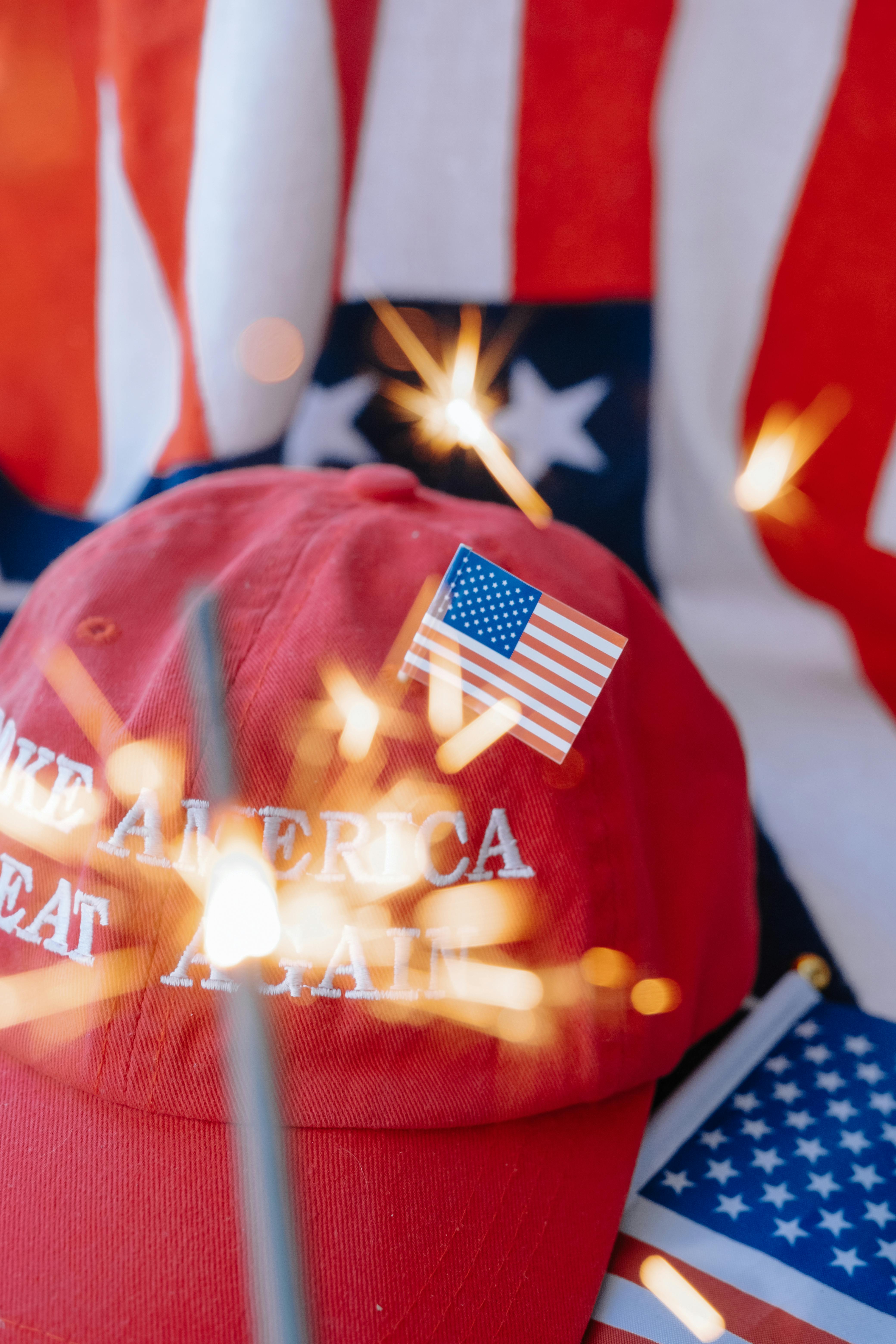
During the period of July 4th festivities, which mark the United States' Independence Day, white nationalist groups conducted marches in the Washington D.C. metropolitan area. These demonstrations, characterized by participants carrying flags and symbols associated with white supremacist beliefs, occurred amidst the celebratory atmosphere of a national holiday. The events quickly drew widespread condemnation, with much of the criticism directed at former U.S. President Donald Trump for what many perceived as his failure to forcefully and consistently reject white nationalist ideologies during his time in office.
WHO ARE THE KEY PLAYERS
**Donald Trump:** The 45th President of the United States, a prominent Republican figure whose presidency (2017-2021) was marked by significant political and social shifts. Trump has faced recurring condemnation from civil rights organizations, political opponents, and some members of his own party for comments and actions perceived as not adequately denouncing white nationalism and other extremist movements. Critics often point to his response to the 2017 Charlottesville protests as a key instance.
**White Nationalists/Supremacist Groups:** These are organizations and individuals who believe in the superiority of the white race and advocate for a white ethnostate, often promoting racist, antisemitic, anti-immigrant, and xenophobic views. Groups like the Patriot Front, known for their public demonstrations, often participate in such marches. Their ideology stands in direct opposition to the principles of equality and diversity.
**The American Public and Civil Rights Organizations:** These entities, representing a broad spectrum of society, often serve as counter-voices to extremist ideologies, organizing counter-protests, advocating for policy changes, and raising public awareness about the dangers of hate groups.
UNDERSTANDING THE LOCATION
**Washington D.C. Area:** This refers to Washington, D.C., the capital city of the United States, and its surrounding metropolitan regions in Maryland and Virginia. Much like Abuja is the federal capital of Nigeria and a symbol of national unity, Washington D.C. is the epicentre of American political power and national identity. It is a frequent site for national celebrations, protests, and demonstrations, making any controversial event there highly symbolic and visible.
**July 4th Festivities:** This date marks Independence Day in the United States, commemorating the adoption of the Declaration of Independence on July 4, 1776. It is a national holiday celebrated with parades, fireworks, and family gatherings, symbolizing freedom, patriotism, and national unity. The presence of white nationalist marches during this period is seen by many as a direct affront to the inclusive ideals the holiday is meant to represent.
BACKGROUND AND CONTEXT
The United States has a complex history with racial and ethnic tensions, dating back centuries. White nationalism, in various forms, has been a persistent, albeit often fringe, element in American society, from the Ku Klux Klan of the post-Civil War era to modern-day extremist groups. The rise of social media has provided new platforms for these ideologies to organize and spread propaganda.
During the Trump presidency, there was a noticeable increase in public activity by white nationalist and alt-right groups. Critics argued that Trump's rhetoric, at times ambiguous or perceived as sympathetic to these groups, emboldened them. A particularly contentious moment was his response to the 2017 white supremacist rally in Charlottesville, Virginia, where he stated there were “very fine people on both sides,” a comment widely condemned for equating white supremacists with counter-protesters.
EXPLAINING IMPORTANT REFERENCES
**White Nationalism:** This refers to a political ideology advocating for a distinct white racial and national identity, often tied to the belief that white people are superior and should maintain social and political dominance. It often includes elements of racism, antisemitism, and xenophobia.
**July 4th:** As explained, this is the Independence Day of the United States, a federal holiday celebrating the nation's founding and its core principles of liberty and self-governance.
**Condemnation:** In this context, 'condemnation' refers to strong public disapproval and criticism from political leaders, civil rights groups, and the general populace regarding specific actions or statements. It signifies a collective rejection of the sentiments or actions in question.
IMPACT ANALYSIS
The presence of white nationalist marches during a national holiday like July 4th carries significant implications. Firstly, it highlights the persistent challenge of racial extremism within the United States, underscoring the deep ideological divisions that continue to plague the nation. Such displays can foster an environment of fear and intimidation for minority communities, undermining the sense of belonging and equality that a democratic society should uphold. Secondly, these events spark renewed debate about the boundaries of free speech versus hate speech, a complex legal and ethical dilemma in many democracies, including Nigeria. Thirdly, the perceived inadequate response from political leadership, particularly the former President, can be interpreted as either tacit approval or a lack of commitment to combating racial hatred, potentially emboldening extremist elements further. Globally, such events can tarnish America's image as a diverse and inclusive society.
WHAT HAPPENS NEXT
In the immediate future, civil rights organizations and anti-hate groups will likely continue to monitor and publicly denounce the activities of white nationalist organizations. There will be ongoing pressure on current political leaders to issue clear, unequivocal condemnations of all forms of racial extremism. Law enforcement agencies will remain vigilant against potential violence associated with these groups. The long-term implications involve a continued national conversation about racial justice, the role of social media in spreading extremist ideologies, and the importance of civic education in fostering inclusive values. The political landscape will also see continued scrutiny of how politicians address issues of race and identity.
HERO PERSPECTIVE
Leverage On Heroes Media firmly believes that the strength of any nation, whether Nigeria or the United States, lies in its unity and respect for the diversity of its people. The presence of white nationalist marches during a celebration of freedom serves as a stark reminder that the fight against intolerance and division is ongoing. True heroism in leadership demands a clear, unwavering stance against all forms of hatred, ensuring that the ideals of equality and justice are upheld for every citizen. We champion the cause of national cohesion and the relentless pursuit of an inclusive society where no group feels threatened or marginalized by the hateful rhetoric of another.
CLOSING
As the echoes of July 4th celebrations fade, the disturbing images of white nationalist marches serve as a sobering reminder of the ideological battles that persist even in established democracies. The call for strong, unambiguous leadership against all forms of extremism remains paramount, urging societies to collectively champion the values of unity, equality, and mutual respect over the divisive forces of hate.