
HEADLINE
Manchester United Unveils Landmark Location for New 100,000-Seater Stadium Near Historic Old Trafford
OPENING HOOK
The hallowed grounds of Old Trafford, a stadium synonymous with footballing glory, are set to witness a monumental transformation as Manchester United charts a course for a new, state-of-the-art home. This development signals a bold step into the future for one of the world's most iconic sports institutions.
WHAT HAPPENED
Manchester United Football Club has officially confirmed the proposed location for its planned 100,000-seater stadium. The club announced in a recent official statement that the new facility will be constructed approximately 350 metres north-west of the existing Old Trafford stadium. This strategic placement positions the future arena at the core of a new 'Stadium District', forming an integral part of the broader Trafford Wharfside regeneration project in Greater Manchester.
WHO ARE THE KEY PLAYERS
**Manchester United Football Club**: An iconic professional football club based in Old Trafford, Greater Manchester, England. Founded in 1878, it is one of the most successful clubs globally, with a rich history of domestic and international titles. The club is currently majority-owned by the American Glazer family, with British billionaire Sir Jim Ratcliffe, through his company INEOS, recently acquiring a minority stake and taking control of football operations, including stadium development.
**The Glazer Family**: American business family who acquired Manchester United in 2005. Their ownership has been marked by significant investment, but also considerable debt, leading to mixed reactions from the club's fanbase.
**Sir Jim Ratcliffe / INEOS**: A British billionaire and chairman of the chemical company INEOS. Ratcliffe, a lifelong Manchester United fan, recently purchased a 27.7% stake in the club and has been tasked with overseeing its footballing and infrastructure projects, including the new stadium.
UNDERSTANDING THE LOCATION
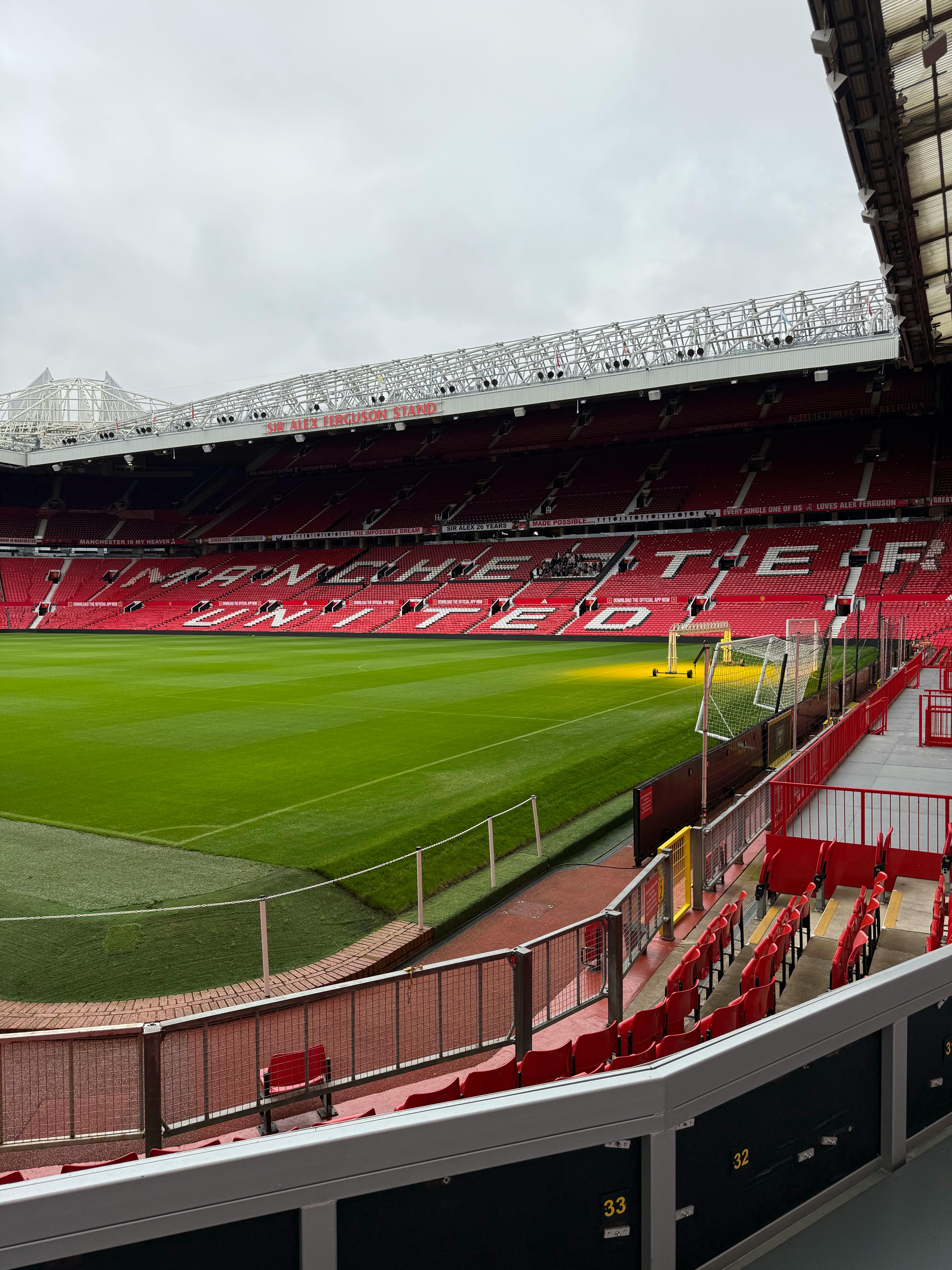
**Old Trafford**: Affectionately known as 'The Theatre of Dreams', Old Trafford has been Manchester United's home stadium since 1910. Located in Trafford, Greater Manchester, it is the largest club football stadium in the United Kingdom, with a seating capacity of approximately 74,310. Its proximity to the proposed new site highlights a desire to maintain the club's historical connection to the area.
**Trafford Wharfside**: This is an area within the Metropolitan Borough of Trafford, Greater Manchester, undergoing significant urban development. The 'Trafford Wharfside regeneration project' refers to a comprehensive plan to revitalise this district, transforming it into a vibrant hub with new residential, commercial, and leisure facilities. The new stadium is envisioned as a cornerstone of this wider development.
BACKGROUND AND CONTEXT
The discussion around a new or significantly redeveloped Old Trafford has been ongoing for years. The current stadium, while historic, faces challenges in modernising its infrastructure and expanding its capacity due to its age and surrounding urban development. For many years, the club has explored various options, including a phased redevelopment of Old Trafford or building an entirely new structure. Sir Jim Ratcliffe's involvement, bringing fresh capital and a clear mandate for infrastructure, has accelerated these plans. The decision to build a new, larger stadium rather than extensively renovate the existing one underscores an ambition to create a world-class facility that can compete with the best in Europe, while also serving as a catalyst for local economic growth.
EXPLAINING IMPORTANT REFERENCES
**100,000-seater stadium**: This refers to a football arena designed to accommodate 100,000 spectators. For context, this would make it the largest football stadium in the United Kingdom, surpassing Wembley Stadium's 90,000 capacity. Such a large capacity is not just about accommodating more fans; it significantly increases matchday revenue, enhances the club's global profile, and allows for hosting major international sporting events and concerts.
**Stadium District**: This concept describes an urban area specifically planned and developed around a major sports stadium. Beyond the stadium itself, it typically includes related infrastructure like hotels, retail spaces, entertainment venues, and improved transport links. The goal is to create a vibrant destination that attracts visitors beyond match days, driving economic activity and urban renewal.
**Regeneration project**: In simple terms, a regeneration project is like a big plan to fix up and improve a particular area, often one that has become a bit run-down or underutilised. It involves investing money and resources to build new infrastructure, create jobs, and make the area more attractive for residents and businesses. In Nigeria, we see similar efforts in places like the Eko Atlantic City project in Lagos, aiming to transform and modernise urban landscapes.
IMPACT ANALYSIS
The confirmation of the new stadium's location carries significant implications. For Manchester United, it represents a commitment to future growth, potentially unlocking substantial new revenue streams from increased attendance and hospitality. This could bolster their financial power in the competitive global football market. For the local Trafford community, the 'Stadium District' and wider regeneration project promise job creation, increased tourism, and improved local amenities, akin to how new market developments can revitalise a neighbourhood. However, such large-scale projects also bring challenges, including potential disruption during construction and the need for robust transport infrastructure to manage the increased footfall. Fans will be watching closely to ensure the new stadium retains the club's rich heritage while offering a modern experience.
WHAT HAPPENS NEXT
The announcement of the location is a crucial step, but it is just the beginning. The next phases will involve detailed architectural design, securing planning permissions from local authorities, and finalising funding models for what will be a multi-billion-pound investment. Construction timelines will then be established, likely spanning several years. During this period, Manchester United will need to carefully manage fan expectations and ensure clear communication regarding the transition from Old Trafford to its new home. The club will also work closely with local councils and transport bodies to integrate the stadium effectively into the existing urban fabric.
HERO PERSPECTIVE
Leverage On Heroes Media views this development as a testament to the enduring power of global sports brands to drive significant urban renewal and economic investment. This isn't just about building a football stadium; it's about cementing a legacy, fostering community development, and demonstrating the ambitious vision that can arise when tradition meets progressive infrastructure planning. It's a hero move for both the club and the wider Greater Manchester area.
CLOSING
As Manchester United embarks on this ambitious journey, the world will be watching to see how this new 'Theatre of Dreams' takes shape, promising a new era for one of football's most storied clubs and a transformative impact on its surrounding community.