
HEADLINE
Morocco Pivots to 2030 World Cup Co-Hosting Ambitions Following 2026 Quarter-Final Defeat
OPENING HOOK
The roar of the Atlas Lions at the 2026 FIFA World Cup has been silenced, but the ambition of Morocco’s footballing nation burns brighter than ever. Despite their recent exit from the global tournament, the North African kingdom is now channeling its considerable energy and passion into a monumental new challenge: co-hosting the 2030 FIFA World Cup.
WHAT HAPPENED
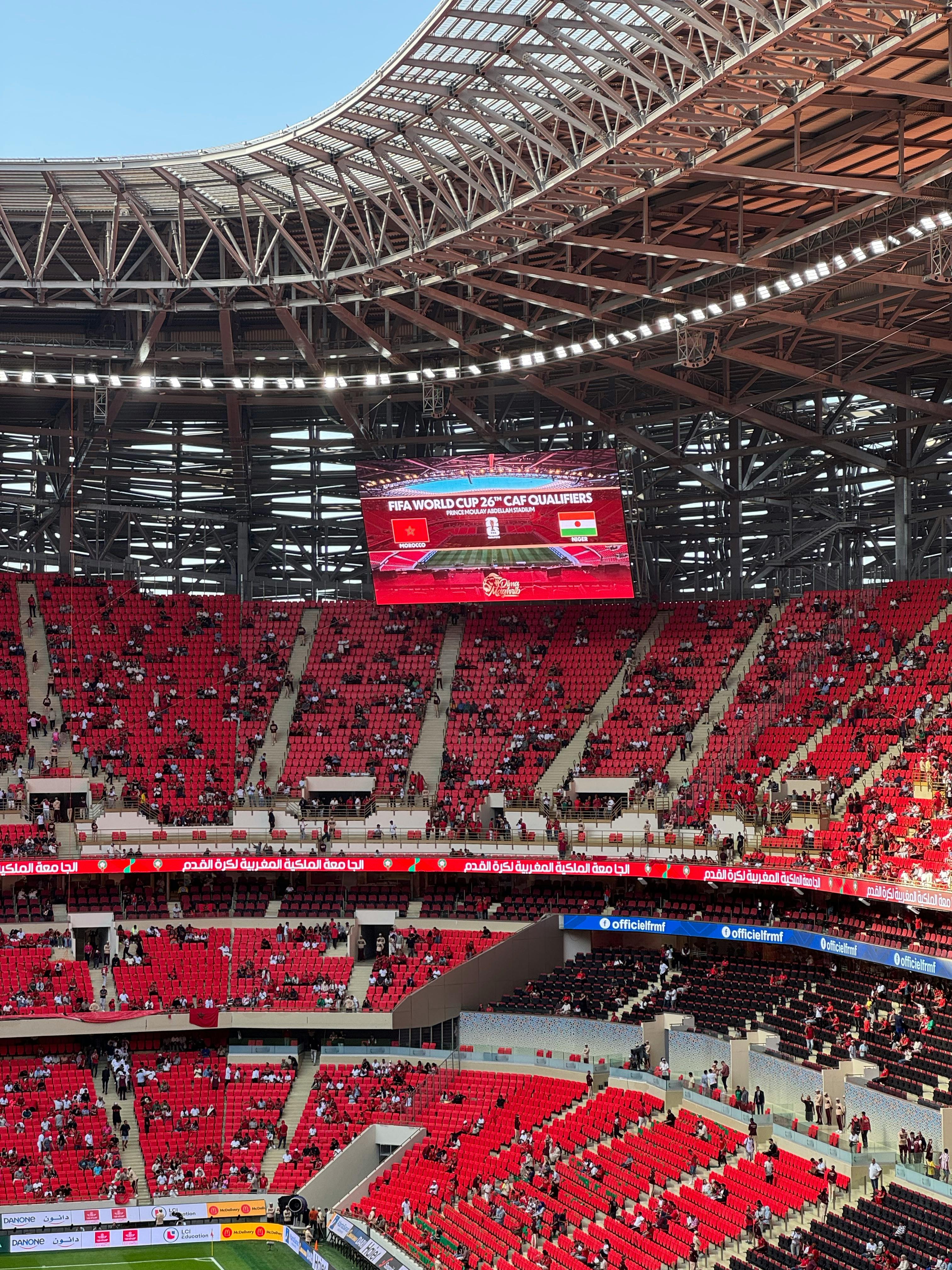
Morocco's journey in the 2026 FIFA World Cup concluded in the quarter-finals, where they faced a formidable French side. The match saw the North African team succumb to a 2-0 defeat, marking the end of their campaign in the tournament. Immediately following this elimination, the Royal Moroccan Football Federation (FRMF) and the nation at large have strategically refocused their efforts and resources on the preparations for the 2030 FIFA World Cup, which Morocco is set to co-host with Spain and Portugal.
WHO ARE THE KEY PLAYERS
**Morocco:** The nation itself, and specifically its national football team, affectionately known as the 'Atlas Lions', are central to this story. The **Royal Moroccan Football Federation (FRMF)** is the governing body for football in Morocco, responsible for the development of the sport, including national team participation and World Cup bids. Their leadership is pivotal in the co-hosting preparations.
**France:** As the team that eliminated Morocco in the 2026 quarter-finals, France's national football team played a decisive role in Morocco's immediate tournament fate.
**FIFA (Fédération Internationale de Football Association):** This is the international governing body of association football, responsible for organizing the World Cup. FIFA's decision-making process selected Morocco, Spain, and Portugal as the joint hosts for the 2030 edition.
**Spain and Portugal:** These two European nations are Morocco's co-hosting partners for the 2030 World Cup, forming a unique intercontinental bid.
UNDERSTANDING THE LOCATION
Morocco is a North African country with a rich history and diverse culture, bordering the Atlantic Ocean and the Mediterranean Sea. It is known for its vibrant cities like Marrakech, Casablanca, and Rabat, and its strong passion for football. As a co-host, Morocco will be showcasing its infrastructure, hospitality, and unique cultural heritage to a global audience.
BACKGROUND AND CONTEXT
Morocco has a long and storied history in international football, with its national team, the Atlas Lions, being one of Africa's most successful. They have made several appearances at the FIFA World Cup, often exceeding expectations and capturing global attention. Their 2026 quarter-final run built upon previous strong performances. The nation has also made multiple attempts to host the World Cup independently in the past, demonstrating a long-standing aspiration to bring the prestigious tournament to African soil. The successful joint bid for 2030 represents the culmination of decades of effort and ambition, and it is a significant milestone for African football.
EXPLAINING IMPORTANT REFERENCES
**FIFA World Cup:** This is an international football competition contested by the senior men's national teams of the members of FIFA, the sport's global governing body. Held every four years, it is the most prestigious association football tournament in the world, capturing massive global viewership and national pride.
**Co-hosting:** This refers to the practice where two or more countries jointly organize and stage a major event, such as the FIFA World Cup. In this scenario, Morocco will share the responsibilities, venues, and logistical challenges with Spain and Portugal, allowing for a broader geographical reach and shared investment.
IMPACT ANALYSIS
Morocco's elimination from the 2026 World Cup, while disappointing for fans, allows for an immediate and concentrated shift in focus towards the 2030 co-hosting duties. This early redirection of energy could be a strategic advantage, enabling more thorough planning and infrastructure development. Co-hosting the World Cup presents immense opportunities for Morocco, including significant economic benefits through tourism, infrastructure development, and job creation. It will also elevate Morocco's international profile, fostering cultural exchange and strengthening diplomatic ties with its European partners. However, the logistical complexities of an intercontinental bid, spanning different continents and regulatory frameworks, will pose considerable challenges requiring seamless coordination.
WHAT HAPPENS NEXT
The immediate future for Morocco's football leadership, particularly the Royal Moroccan Football Federation, involves intensive planning and coordination with their Spanish and Portuguese counterparts. This will include detailed discussions on venue allocations, transportation logistics, security arrangements, and hospitality services. Domestically, there will be a strong emphasis on upgrading existing stadiums and potentially constructing new ones, alongside improving related infrastructure such as roads, airports, and accommodation. The focus will be on ensuring that Morocco is fully prepared to deliver a world-class experience for teams, officials, and millions of fans expected in 2030.
HERO PERSPECTIVE
Leverage On Heroes Media views Morocco's swift pivot from tournament disappointment to hosting ambition as a powerful testament to national resilience and strategic foresight. This narrative underscores the idea that even in defeat, there is an opportunity to channel collective energy towards a larger, unifying goal that promises long-term national development and global recognition. It is a story of turning challenges into catalysts for progress.
CLOSING
As the curtain falls on their 2026 World Cup journey, Morocco's gaze is firmly fixed on the horizon of 2030, where the promise of co-hosting the world's biggest football spectacle awaits, poised to etch a new chapter in its rich sporting legacy.