
HEADLINE
Critical WordPress Vulnerabilities Exploited: Hackers Deploy Webshells and Malicious Plugins
OPENING HOOK
In the ever-evolving landscape of online security, a significant threat has emerged, putting millions of websites at risk. Cybercriminals are currently exploiting severe flaws in the foundational software of WordPress, a platform powering a substantial portion of the internet, to install hidden backdoors and harmful software.
WHAT HAPPENED
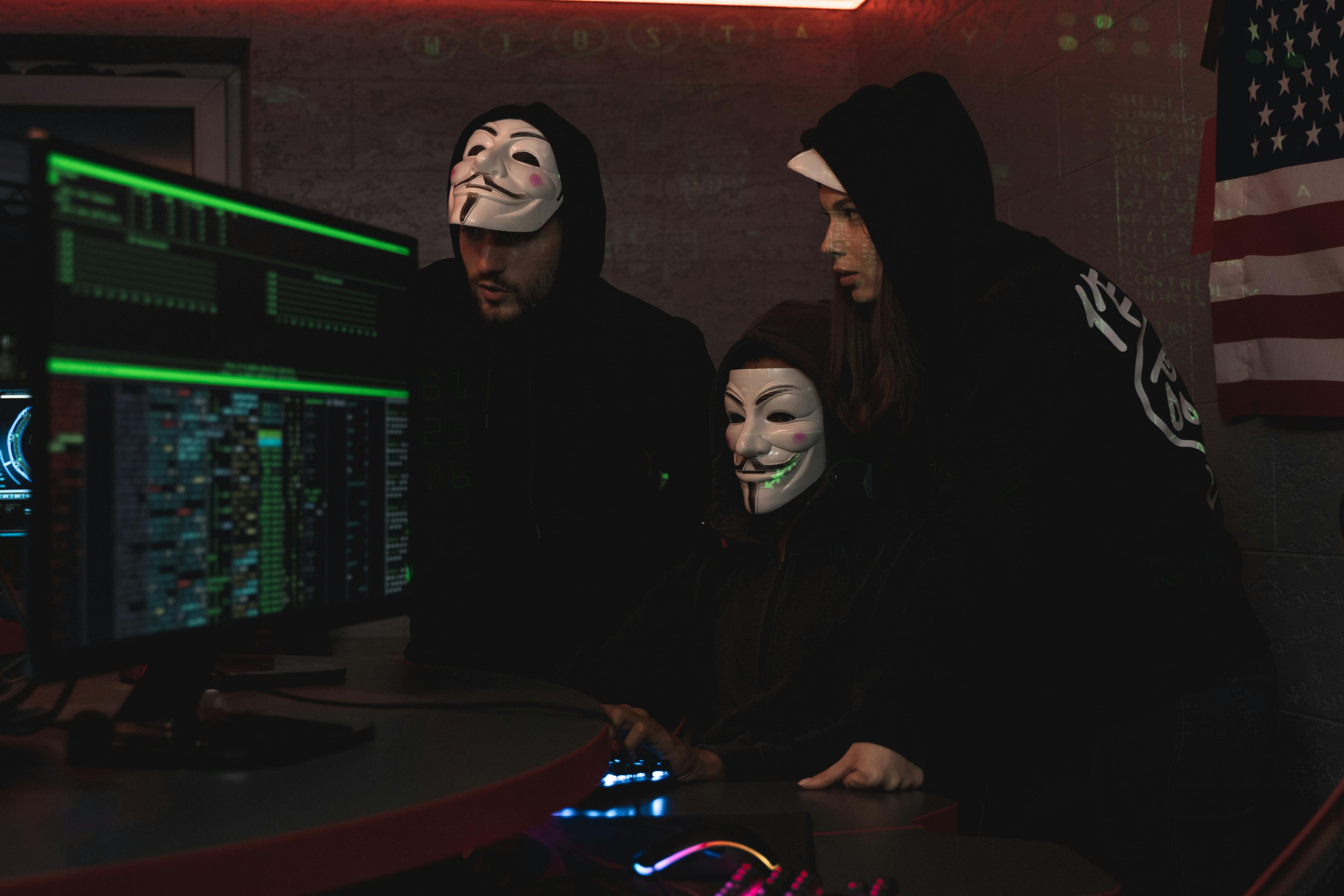
Hackers are actively leveraging a pair of critical vulnerabilities, collectively dubbed 'wp2shell' and tracked as CVE-2026-63030 and CVE-2026-60137, within the core programming of WordPress. This exploitation allows unauthorized attackers to gain deep control over affected websites. Once access is achieved, these malicious actors are deploying persistent 'webshells' – which are essentially secret control panels – and installing harmful plugins. This gives them a long-term foothold, enabling them to manipulate website content, steal data, or use the compromised site for further illicit activities without the legitimate owner's knowledge.
WHO ARE THE KEY PLAYERS
The primary 'player' under attack is **WordPress**, the world's most popular content management system. The **hackers** are the anonymous perpetrators actively exploiting these flaws. On the defensive side, **website administrators and owners** of WordPress sites are the direct targets and are responsible for implementing patches. **Security researchers and cybersecurity firms** play a crucial role in identifying these vulnerabilities, alerting the public, and developing solutions to protect digital assets.
UNDERSTANDING THE LOCATION
The 'location' of this threat is the vast digital infrastructure of the internet, specifically targeting websites built using WordPress. This global platform hosts everything from personal blogs to large e-commerce stores and corporate websites, making the impact widespread. For Nigeria, this means countless businesses, media houses, government agencies, and individual bloggers who rely on WordPress for their online presence are potentially exposed, from Lagos to Kano, Port Harcourt to Abuja.
BACKGROUND AND CONTEXT
WordPress, launched in 2003, has grown to power over 40% of all websites online due to its ease of use and flexibility. Its widespread adoption, however, also makes it a prime target for cybercriminals. The history of web security is a continuous battle between developers creating robust platforms and attackers seeking weaknesses. Vulnerabilities like 'wp2shell' are not uncommon, but their 'critical' rating signifies a severe risk, often allowing attackers to bypass security measures and execute arbitrary code – essentially running their own programs on the victim's server. This constant threat underscores the importance of diligent maintenance and rapid response to security advisories.
EXPLAINING IMPORTANT REFERENCES
- **wp2shell**: This refers to a specific suite of critical vulnerabilities found within WordPress. The name itself suggests the vulnerability's primary outcome: allowing an attacker to gain a 'shell' (remote command access) to the WordPress server.
- **WordPress Core**: This is the fundamental, essential software that makes WordPress work, excluding any themes or plugins. Flaws in the core are particularly dangerous because they affect every installation.
- **CVE-2026-63030 and CVE-2026-60137**: These are unique identifiers from the Common Vulnerabilities and Exposures (CVE) system. Think of them as international serial numbers for publicly known cybersecurity vulnerabilities. They help security professionals track and refer to specific flaws.
- **Webshells**: In simple terms, a webshell is a malicious script or program that a hacker uploads to a compromised web server. It acts like a secret, web-based control panel, allowing the attacker to remotely execute commands, upload/download files, and manage the server, giving them a persistent backdoor to the website.
- **Malicious Plugins**: WordPress uses 'plugins' to add extra features. Malicious plugins are those designed with harmful intent, often used to steal data, redirect visitors, or further compromise the server.
- **Exploitation**: This is the act of taking advantage of a security flaw or bug in a system to achieve an unintended or unauthorized outcome, in this case, gaining control over a website.
IMPACT ANALYSIS
The exploitation of these 'wp2shell' vulnerabilities carries severe implications. For Nigerian businesses and individuals, this could mean significant financial losses due to disrupted operations, data breaches exposing sensitive customer information, and damage to reputation. Imagine an e-commerce site where customer payment details are compromised, or a news blog whose content is defaced with fake news. The cost of recovering a compromised website, which often involves professional cybersecurity services, can be substantial, comparable to several months' rent for a small business or the cost of a new business loan. Beyond the immediate technical fix, the loss of customer trust can be difficult to rebuild, affecting brand loyalty and market share.
WHAT HAPPENS NEXT
The immediate priority for all WordPress website owners is to apply the security patches released by the WordPress development team without delay. This means updating WordPress Core to the latest secure version. Beyond patching, website administrators must remain vigilant, regularly backing up their sites, using strong, unique passwords, and employing reputable security plugins. Cybersecurity firms will continue to monitor the threat landscape, providing updates and tools to detect and remove webshells. This incident serves as a stark reminder that cybersecurity is an ongoing process, not a one-time fix.
HERO PERSPECTIVE
Leverage On Heroes Media believes that in the digital age, proactive cybersecurity is not merely an option but a fundamental responsibility. This 'wp2shell' exploitation highlights the critical need for Nigerian businesses and individuals to prioritize their online defenses. We champion digital resilience, advocating for continuous vigilance, timely updates, and robust security practices to protect our collective online presence from those who seek to exploit vulnerabilities for nefarious gains.
CLOSING
The digital frontier, while offering immense opportunities, also presents persistent challenges. The 'wp2shell' threat to WordPress underscores the dynamic nature of cybersecurity and the absolute necessity for constant awareness and swift action to safeguard our digital lives and livelihoods. Stay ahead of the curve.