
HEADLINE
Google Maps vs. Waze: Unpacking the Best Navigation for Nigerian Roads
OPENING HOOK
In Nigeria's bustling cities and across its vast road network, efficient navigation is not just a convenience; it's a necessity. From dodging notorious traffic gridlocks to finding the quickest routes, millions rely on smartphone applications daily. But when it comes to the titans of digital navigation, Google Maps and Waze, which one truly stands out for the Nigerian user?
WHAT HAPPENED
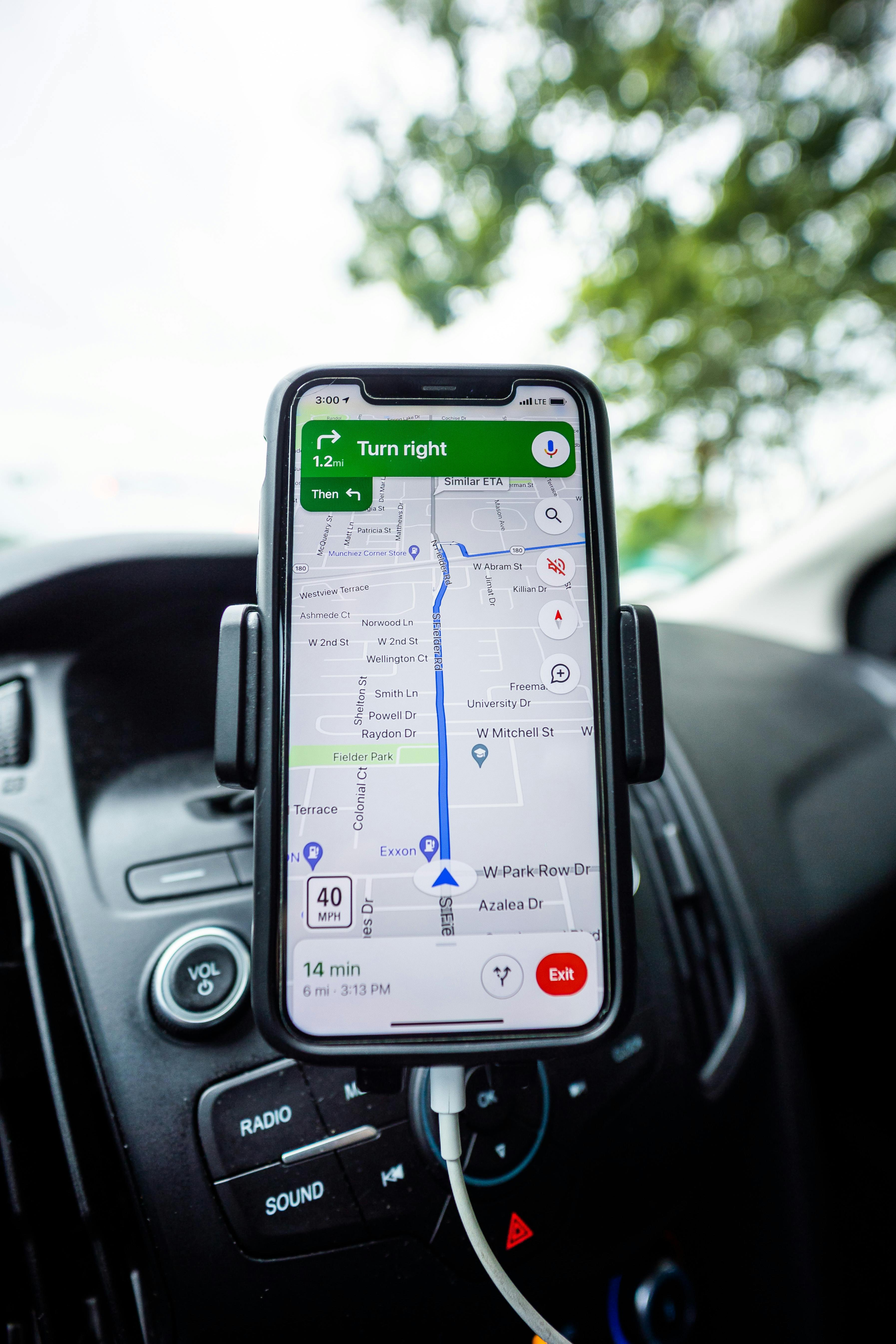
Leverage On Heroes Media recently undertook an extensive, real-world comparative analysis of Google Maps and Waze, traversing hundreds of kilometres across various Nigerian terrains and urban centres. The objective was to scrutinise their performance in terms of route accuracy, real-time traffic updates, user interface, and overall utility, culminating in a definitive assessment of which application offers the most reliable and user-friendly experience for Nigerian motorists and commuters.
WHO ARE THE KEY PLAYERS
**Google Maps:** Developed by Google, a subsidiary of the American multinational technology conglomerate Alphabet Inc., Google Maps is a web mapping service that offers detailed information about geographical regions and sites around the world. It provides street maps, satellite imagery, panoramic views of streets (Street View), real-time traffic conditions, and route planning for travelling by foot, car, bicycle, air (in beta), and public transport.
**Waze:** A GPS navigation software app owned by Google, Waze is distinguished by its community-driven approach. Users actively report traffic, accidents, road hazards, speed traps, and even fuel prices in real-time, feeding live data into the system. This collaborative model aims to provide the most up-to-the-minute information, often leading to faster route adjustments.
**Leverage On Heroes Media:** As a leading investigative journalism and news analysis platform, Leverage On Heroes Media provides in-depth reports, analyses, and perspectives on critical issues affecting Nigerians, from technology and economy to governance and social impact.
UNDERSTANDING THE LOCATION
While navigation apps are global tools, their effectiveness is profoundly shaped by local conditions. In Nigeria, roads can be unpredictable, marked by intermittent construction, unexpected diversions, varying road quality, and notoriously heavy traffic, especially in metropolitan areas like Lagos, Abuja, and Port Harcourt. The comparison specifically considered how well these apps adapt to these unique Nigerian challenges, including their ability to guide users through less-travelled routes or quickly re-route around sudden obstacles, which is particularly crucial in a country where road infrastructure can be a daily hurdle.
BACKGROUND AND CONTEXT
The evolution of digital mapping has transformed how Nigerians move. Before the widespread adoption of smartphones, drivers relied on physical maps or local knowledge. The advent of the Global Positioning System (GPS) in consumer devices, and later integrated into smartphones, revolutionised travel. Google Maps, launched in 2005, quickly became a global standard. Waze, founded in 2006 (and acquired by Google in 2013), introduced a paradigm shift by leveraging community input, turning every user into a potential data contributor. This dynamic interplay of global data and local, real-time input forms the core of modern navigation, crucial for navigating Nigeria's ever-changing road landscape.
EXPLAINING IMPORTANT REFERENCES
**GPS (Global Positioning System):** A satellite-based navigation system that provides location, velocity, and time synchronisation. Simply put, it's the technology that tells your phone exactly where it is on Earth using signals from orbiting satellites.
**Real-time traffic data:** This refers to information about current road conditions, including congestion, speed, and incidents, updated instantaneously. Both apps gather this through various means, including data from connected vehicles and, in Waze's case, direct user reports.
**Community-driven data:** This is Waze's unique selling point. It means the app's information is largely generated and verified by its active user base, who report events as they happen on the road. Think of it as a network of drivers constantly updating each other.
**Algorithms:** These are sets of rules or instructions that a computer follows to solve a problem. In navigation apps, algorithms process GPS data, traffic information, and user preferences to calculate the fastest or shortest route.
IMPACT ANALYSIS
The choice of navigation app has significant implications for Nigerian commuters and businesses. For individuals, an efficient app can save precious fuel money, reduce travel time, and alleviate stress associated with unpredictable traffic. For logistics companies, ride-hailing services, and small businesses reliant on timely deliveries, accurate navigation directly impacts operational costs and customer satisfaction. The ability to quickly identify and bypass traffic jams or avoid hazardous routes can translate into tangible economic benefits. However, reliance on these apps also raises questions about data privacy, as consistent location tracking is fundamental to their operation.
WHAT HAPPENS NEXT
The competition between Google Maps and Waze is expected to drive continuous innovation. We anticipate further integration of artificial intelligence for more predictive routing, anticipating traffic patterns even before they fully materialise. Features like enhanced voice commands, augmented reality navigation, and deeper integration with smart vehicle systems are likely to become more commonplace. For Nigerian users, this means a future with even more sophisticated tools to tackle urban mobility challenges. The ongoing development will focus on improving accuracy, user experience, and addressing specific regional needs, such as better mapping of informal settlements or nuanced understanding of local road rules.
HERO PERSPECTIVE
Leverage On Heroes Media believes that informed choices empower citizens. Our investigation into Google Maps and Waze underscores the importance of leveraging technology to improve daily life. For Nigerians navigating complex road networks, understanding the strengths and weaknesses of these essential tools is paramount. We advocate for citizens to make deliberate choices that enhance their efficiency, save resources, and contribute to safer journeys, thereby transforming everyday challenges into opportunities for smart living.
CLOSING
In the dynamic world of digital navigation, while both Google Maps and Waze offer robust solutions, our comprehensive analysis points towards Waze holding a slight edge for its real-time, community-driven updates, which prove invaluable in Nigeria's often unpredictable traffic environment. However, Google Maps remains a powerful contender, particularly for its comprehensive mapping and integration with other Google services. Ultimately, the best app depends on individual priorities: speed and real-time alerts versus comprehensive information and familiarity.