
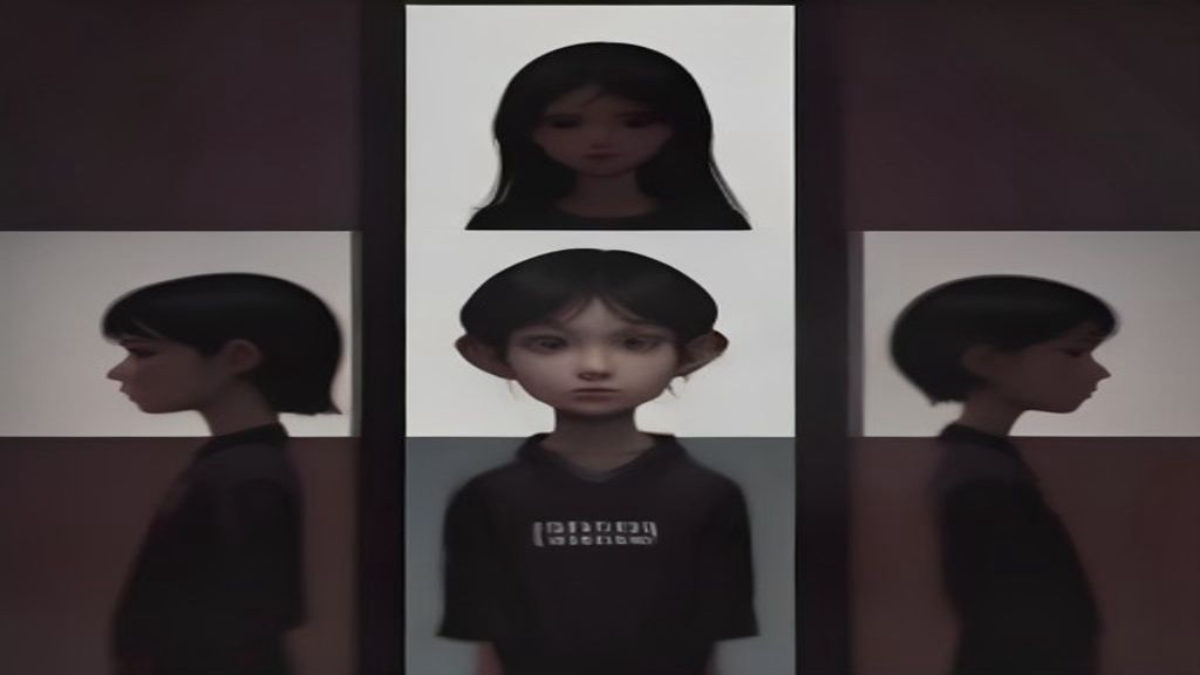
HEADLINE
Rising number of UK children report seeing explicit deepfakes of themselves
OPENING HOOK
British minors are increasingly confronting digitally altered, explicit representations of their own faces and bodies online as rapid advancements in artificial intelligence lower the technical barriers for bad actors.
WHAT HAPPENED
The Report Remove service, an anonymous platform dedicated to blocking intimate images from appearing online, has documented a sharp rise in cases involving digitally manipulated or faked imagery affecting children. This surge coincides with growing concerns from safety watchdogs regarding the proliferation of accessible software and nudification applications that enable individuals to generate non-consensual sexualised content with minimal technical expertise.
WHO ARE THE KEY PLAYERS
Report Remove service, an online safety initiative that assists individuals in having intimate images removed from digital platforms. Regulators and safety watchdogs operating within the United Kingdom.
UNDERSTANDING THE LOCATION
The United Kingdom, a sovereign island country located off the northwestern coast of continental Europe, operates under a parliamentary democracy led by Prime Minister Keir Starmer. The nation's legal and digital safety framework is governed by strict statutory regulations regarding child protection and online harms.
BACKGROUND AND CONTEXT
The rapid evolution of generative artificial intelligence over recent years has democratised access to powerful image-manipulation technologies. Tools that once required sophisticated coding or professional graphic design skills are now widely available via consumer apps and websites. This technological shift has outpaced existing legal frameworks, presenting unprecedented challenges for law enforcement agencies, child protection advocates, and digital platform moderators worldwide.
EXPLAINING IMPORTANT REFERENCES
Deepfakes refer to synthetic media where a person in an existing image or video is replaced with someone else's likeness using artificial intelligence algorithms. Nudification tools are specific software applications designed to digitally remove clothing from photographs of individuals, generating fabricated explicit imagery without the consent of the subject.
IMPACT ANALYSIS
The proliferation of non-consensual explicit deepfakes targeting minors carries severe psychological, social, and legal consequences. Victims face profound emotional distress, reputational damage, and social stigma within their schools and communities. For families, navigating the digital removal of these images can prove emotionally taxing and complex across multiple internet platforms and search engines.
WHAT HAPPENS NEXT
Child safety advocates and regulatory bodies are expected to push for stricter technological guardrails, faster content removal protocols, and enhanced accountability for software developers who create and distribute generative artificial intelligence tools. Law enforcement agencies may also increase investigations under existing child protection statutes to deter perpetrators.
HERO PERSPECTIVE
The Report Remove service documented a rapid increase in digitally manipulated and faked intimate imagery targeting minors, underscoring the immediate dangers posed by unregulated artificial intelligence tools. Addressing this surge requires direct intervention from UK regulators and platform operators to safeguard children from non-consensual explicit content.
CLOSING
As artificial intelligence continues to evolve, the protection of minors from digital exploitation remains an urgent priority for lawmakers, technology firms, and child advocacy organisations across the United Kingdom.