
HEADLINE
Roku Increases Streaming Hardware Prices Globally by Up to $50 Amid Economic Pressures
OPENING HOOK
For many households trying to manage tight monthly budgets, catching up on favorite movies and series just got a little more expensive as a major global tech brand adjusts its hardware prices upward.
WHAT HAPPENED
Roku has implemented a price increase across its entire lineup of streaming devices, with some hardware models seeing jumps of up to $50. The entry-level HD Streaming Stick, previously retailing at $29.99, now costs $39.99. Other advanced players and home theater devices in the company's ecosystem have experienced even steeper adjustments, reflecting broader shifts in the global technology manufacturing and supply chain sectors.
WHO ARE THE KEY PLAYERS
The primary actor in this development is Roku, a leading multinational technology company specializing in hardware and software for digital television streaming. The adjustments affect global consumers, gadget retailers, and competing hardware manufacturers such as Amazon and Google, who operate within the same home entertainment ecosystem.
UNDERSTANDING THE LOCATION
While these hardware adjustments originate from corporate decisions in North America, their effects resonate globally, including in emerging technology markets across Africa. In Nigeria, where gadgets are imported and priced against foreign exchange rates, any upward adjustment in foundational tech hardware costs eventually trickles down to local retail markets in places like Computer Village in Ikeja, Lagos, or Alaba International Market.
BACKGROUND AND CONTEXT
In the consumer electronics industry, profit margins on physical hardware are historically slim. Companies often sell devices at or near cost to secure user adoption, relying instead on digital advertising and software subscriptions for revenue. However, persistent inflation, rising component costs, and logistics expenses have forced hardware makers to pass expenses directly to buyers.
EXPLAINING IMPORTANT REFERENCES
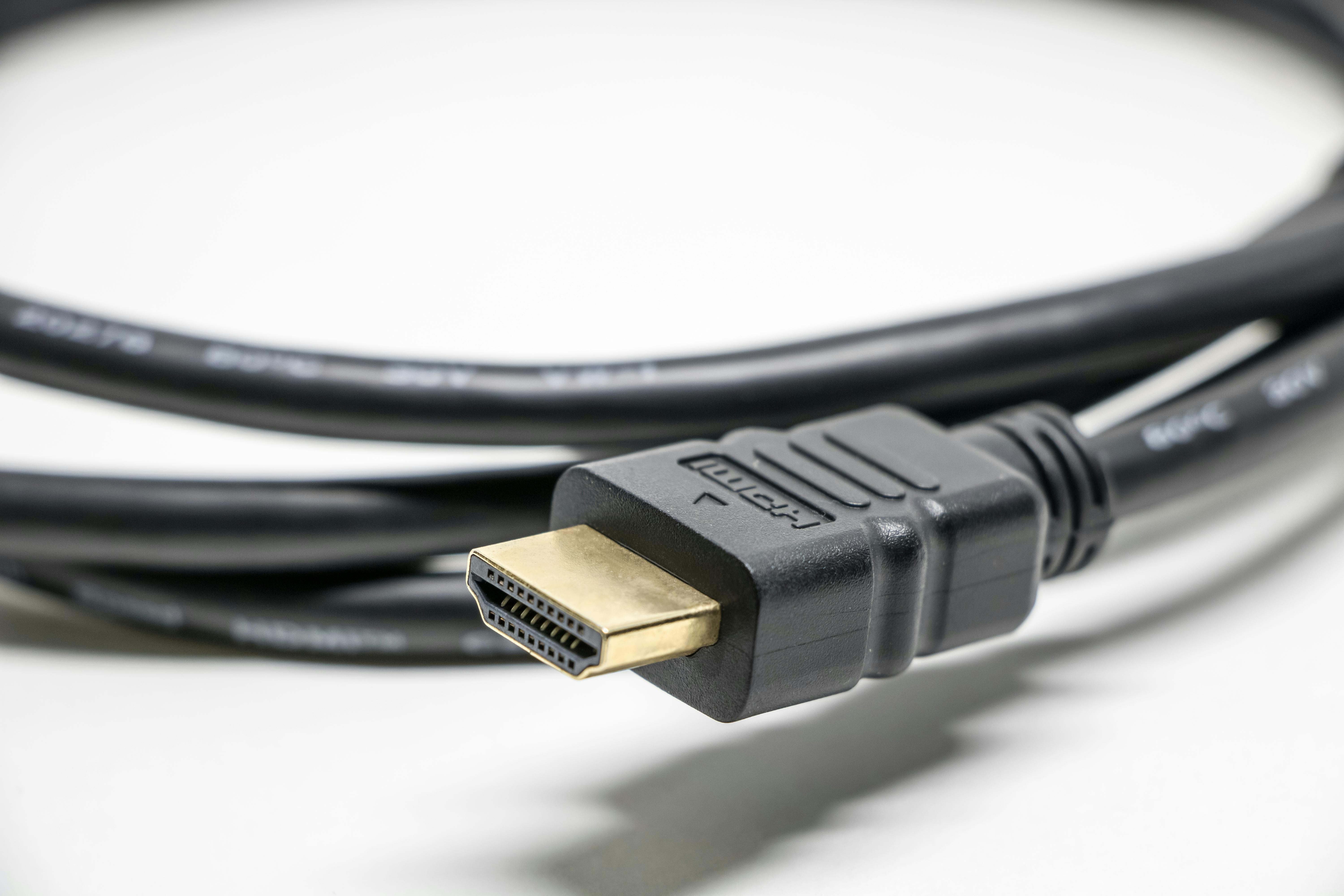
Streaming hardware refers to small physical gadgets—often shaped like a flash drive or a small box—that plug into a television's High-Definition Multimedia Interface (HDMI) port to bring internet-based video services like Netflix and YouTube onto a regular home screen. For Nigerian households transitioning from traditional cable television to internet streaming, these devices serve as gateways to digital entertainment.
IMPACT ANALYSIS
For the average consumer, a ten to fifty-dollar price hike might appear modest, but it compounds the financial strain of maintaining digital subscriptions in a challenging global economy. For Nigerian tech enthusiasts and diaspora families, higher device costs mean a heavier initial capital outlay when setting up home entertainment systems.
WHAT HAPPENS NEXT
Industry analysts expect competitors to monitor consumer reaction closely before deciding whether to follow suit with their own hardware price increases. If demand remains resilient despite the higher costs, other streaming device vendors may also adjust their pricing structures upward.
HERO PERSPECTIVE
At Leverage On Heroes Media, our editorial angle focuses on consumer resilience and the financial reality of everyday technology users navigating global inflation. We spotlight how international corporate pricing decisions ultimately ripple down to local household budgets.
CLOSING
As the global tech landscape continues to shift under economic pressures, staying informed about the real costs of digital tools remains essential for smart household financial planning.