
HEADLINE
SpaceX Stock Slides Below Initial Public Offering Price Amidst Market Scrutiny
OPENING HOOK
In a development closely watched by global financial markets, the highly anticipated valuation of SpaceX, the private aerospace company founded by visionary entrepreneur Elon Musk, has encountered a significant dip. For the first time, the company's shares have traded below their initial public offering (IPO) price, sparking discussions about the true market value of high-growth, technology-driven enterprises.
WHAT HAPPENED
SpaceX shares recently experienced a notable decline, registering a fall for a fourth consecutive trading session. This downturn pushed the company's stock price below the $135 mark, which was its initial public offering price. This significant movement occurred just days after the company's inclusion in the Nasdaq-100, a key stock market index, drawing attention to the volatile nature of even the most prominent tech and innovation-focused companies.
WHO ARE THE KEY PLAYERS
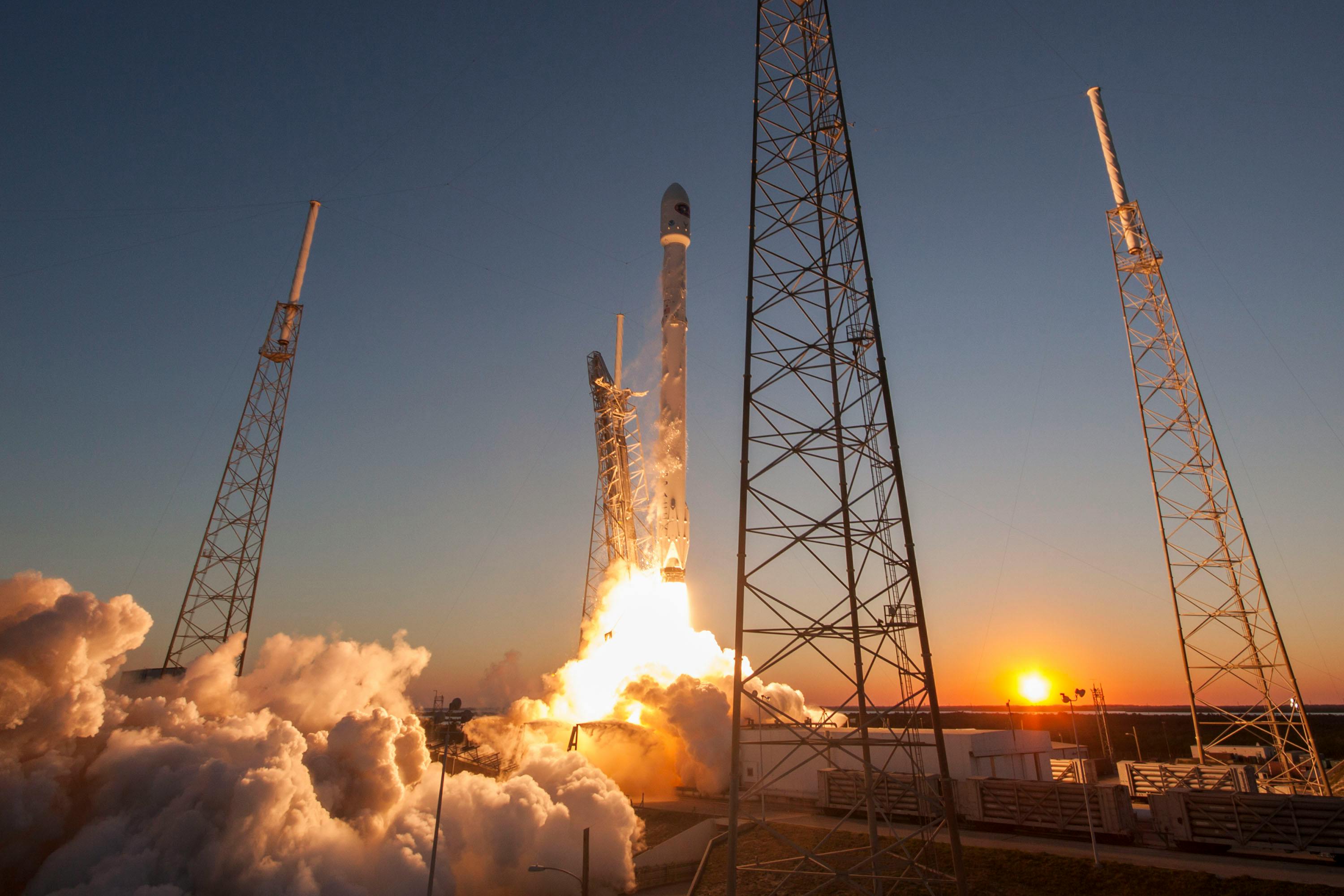
**SpaceX:** Officially known as Space Exploration Technologies Corp., SpaceX is a leading American private aerospace manufacturer and space transport services company. Founded by Elon Musk in 2002, its ambitious goals include reducing space transportation costs to enable the colonization of Mars, developing reusable rocket technology, and deploying the Starlink satellite internet constellation. The company has revolutionized the space industry with its Falcon rockets and Dragon spacecraft.
**Elon Musk:** The founder, CEO, and Chief Engineer of SpaceX, Elon Musk is a prominent entrepreneur and business magnate. He is also the CEO of Tesla, Inc., and owner of X (formerly Twitter). Musk is known for his audacious vision and his efforts to innovate across various industries, from electric vehicles to artificial intelligence and space exploration.
UNDERSTANDING THE LOCATION
The event revolves around the performance of SpaceX shares within the broader financial ecosystem, particularly in relation to the **Nasdaq-100**. The Nasdaq-100 is a stock market index comprising 100 of the largest non-financial companies listed on the Nasdaq Stock Market, based on market capitalization. It is a key benchmark for large-cap growth companies in the United States, often featuring firms from the technology, retail, healthcare, and biotechnology sectors. Its inclusion is generally seen as a mark of prestige and stability, similar to how a company listed on the Nigerian Stock Exchange (NSE) being included in a major index like the NSE 30 would signify its prominence and liquidity.
BACKGROUND AND CONTEXT
SpaceX has long been a darling of private investors, with its valuation soaring in private funding rounds, often reaching figures well into the hundreds of billions of dollars. The company's innovative approach to space travel, coupled with the success of its Starlink internet service, fueled high expectations. However, the transition from a privately held entity, where valuations are often based on growth potential and future projections, to a publicly traded or publicly referenced entity like one tracked by the Nasdaq-100, subjects a company to more immediate and rigorous market scrutiny. The $135 IPO price was a benchmark set during its initial private equity fundraising, reflecting investor confidence at that stage.
EXPLAINING IMPORTANT REFERENCES
- **Stock:** In simple terms, a stock represents a share of ownership in a company. When you buy a company's stock, you own a tiny piece of that company, giving you a claim on its assets and earnings. For example, owning a share in a company is like owning a small portion of a thriving business in Balogun market.
- **IPO Price (Initial Public Offering Price):** This is the price at which shares of a company are initially sold to the public or institutional investors. It's the first time the company's value is set in a public-facing market, a crucial benchmark that signifies the initial market reception and valuation of the company. Think of it as the starting price a new business sets for its products when it first opens its doors.
- **Nasdaq-100:** As mentioned, this is an index tracking the performance of 100 major non-financial companies on the Nasdaq exchange. It's not a stock itself but an indicator of how a significant segment of the technology and growth-oriented market is performing.
IMPACT ANALYSIS
The recent dip below the IPO price carries several implications. For SpaceX, it could potentially impact future fundraising efforts or the perception of its financial health among new investors. Employees holding stock options might see the value of their holdings decrease, affecting morale. For the broader market, this could signal a cautious approach from investors towards even highly innovative, yet capital-intensive, ventures. It might also reflect a wider trend of market correction, where previously inflated valuations for tech companies are being reassessed. While direct impacts on Nigeria are minimal, global investor sentiment shifts can indirectly influence foreign direct investment flows into emerging markets, including ours, as investors become more risk-averse.
WHAT HAPPENS NEXT
Moving forward, market analysts and investors will be closely monitoring several factors. SpaceX's operational successes, such as launch frequency, Starlink subscriber growth, and progress on its Starship program, will be crucial. General market conditions, particularly within the technology sector, will also play a significant role. Investor confidence can be fickle, and a sustained period below the IPO price could prompt a re-evaluation of SpaceX's long-term financial trajectory. Conversely, a rebound driven by strong performance could quickly restore faith in the company's valuation. Analysts will be watching for any official statements from SpaceX or Elon Musk regarding these market movements.
HERO PERSPECTIVE
Leverage On Heroes Media believes this development underscores a critical lesson for both investors and innovators: while groundbreaking technology and visionary leadership are vital, market realities and rigorous financial scrutiny will always temper even the most ambitious ventures. It highlights the delicate balance between innovation and sustainable valuation, reminding us that even heroes of industry must navigate the practicalities of the global financial landscape. We advocate for a clear-eyed approach to investment, valuing long-term fundamentals over short-term hype.
CLOSING
The performance of SpaceX shares serves as a potent reminder that even companies at the forefront of human innovation are not immune to the dynamics of market sentiment and investor confidence. As the aerospace giant continues its mission, its financial trajectory will remain a key indicator for the broader technology and investment world.