
HEADLINE
Ukraine Pivots: From Aid Recipient to Drone Technology Provider for NATO Allies
OPENING HOOK
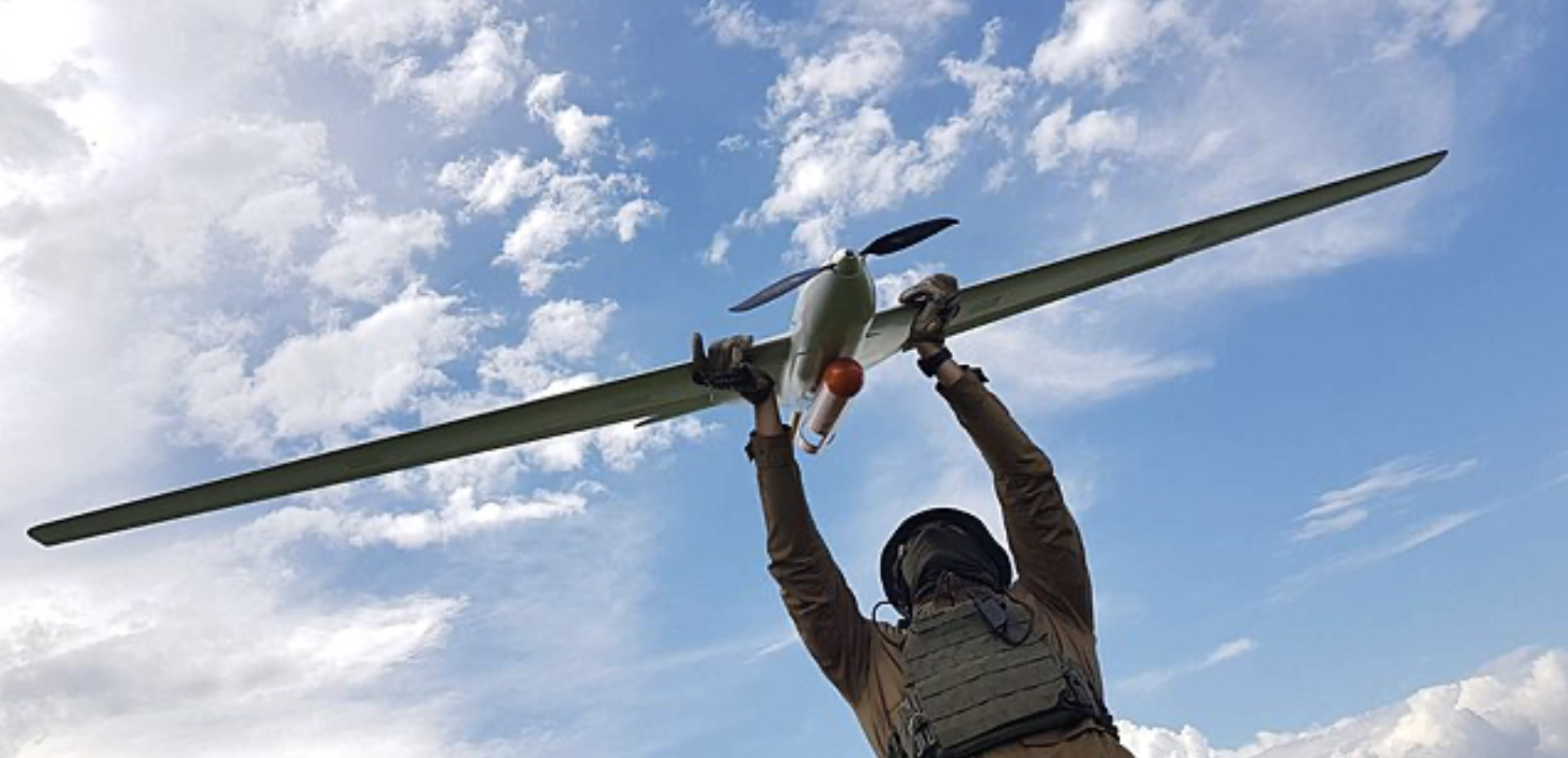
The global security landscape is witnessing a significant shift as Ukraine, a nation currently defending its sovereignty, embarks on a new foreign policy initiative. Kyiv is transitioning from being primarily a recipient of military aid to a burgeoning provider of advanced defense technology, particularly in the critical domain of unmanned aerial vehicles, commonly known as drones.
WHAT HAPPENED
Ukraine is actively pursuing agreements to supply its drone technology and related expertise to at least seven member countries of the North Atlantic Treaty Organization (NATO) by the close of this year. This ambitious move underscores a strategic pivot, showcasing Ukraine's intent to leverage its wartime innovations and practical experience to become a significant player in the international defense market. The nation has already secured six such 'drone deals' in recent months, three of which are with Middle Eastern states that have faced threats from advanced drone attacks, notably from Iranian-supplied Shahed drones.
WHO ARE THE KEY PLAYERS
- **Ukraine (Kyiv government)**: The primary actor, transitioning its role from aid recipient to security provider, spearheaded by its top officials. Its defence industry and military strategists are at the forefront of this initiative.
- **NATO (North Atlantic Treaty Organization)**: A military alliance of 32 member countries from Europe and North America. Its core purpose is to guarantee the freedom and security of its members through political and military means. Ukraine aims to forge partnerships with individual NATO nations.
- **Middle Eastern States**: These unnamed countries have already entered into agreements with Ukraine, driven by their experiences with sophisticated drone threats, particularly those linked to Iran.
UNDERSTANDING THE LOCATION
**Ukraine**, a large country in Eastern Europe, is at the heart of this development. Its ongoing conflict has inadvertently become a crucible for rapid military innovation. The **NATO member countries** span across Europe and North America, representing some of the world's most advanced economies and military powers. The **Middle Eastern states** involved are located in a strategically vital region, often a flashpoint for geopolitical tensions and recipient of various drone-related threats.
BACKGROUND AND CONTEXT
Historically, Ukraine possessed a significant defense industry inherited from the Soviet era, though it faced decline post-independence. The full-scale invasion by Russia in February 2022 drastically accelerated Ukraine's need for advanced military hardware, transforming it into a major recipient of aid from Western allies. However, the conflict also spurred rapid indigenous innovation, particularly in drone technology, electronic warfare, and radar systems. The intense combat environment has provided invaluable real-world testing and development opportunities, allowing Ukrainian engineers and military personnel to refine and produce highly effective systems. The experience with Iranian-supplied Shahed drones, which have been extensively used by Russia, has given Ukraine unique insights into countering and developing similar, if not superior, capabilities.
EXPLAINING IMPORTANT REFERENCES
- **NATO (North Atlantic Treaty Organization)**: This is an intergovernmental military alliance established in 1949. Its primary objective, as outlined in Article 5 of its founding treaty, is collective defense, meaning an attack against one member is considered an attack against all. Nigeria, while not a member, often monitors NATO's activities due to their implications for global security and international relations.
- **Drones**: These are Unmanned Aerial Vehicles (UAVs), essentially aircraft without a human pilot on board. They can be controlled remotely or fly autonomously using pre-programmed flight plans. In modern warfare, drones are indispensable for reconnaissance, surveillance, targeting, and even direct attack, dramatically changing battlefield dynamics.
- **Radar systems**: An acronym for RAdio Detection And Ranging, these are devices that use radio waves to detect the presence, direction, speed, and altitude of objects, such as aircraft, missiles, or drones. They are crucial for air defense and surveillance.
- **Ground stations**: These are the control centers on the ground from which drones are operated. They receive data from the drone, allow operators to pilot the vehicle, and manage its mission parameters.
- **Shahed drones**: These are a series of Iranian-made 'kamikaze' or 'one-way attack' drones. They are designed to fly towards a target and detonate upon impact. Their use by Russia against Ukraine has highlighted their destructive potential and the need for effective countermeasures and similar offensive capabilities.
IMPACT ANALYSIS
This strategic shift by Ukraine carries multiple implications. For **Ukraine**, it represents a move towards greater self-reliance and economic diversification, potentially creating a robust defense export industry that could aid post-war reconstruction. It also enhances its diplomatic standing, transforming it into a valuable security partner rather than solely a beneficiary. For **NATO countries**, acquiring battle-tested Ukrainian drone technology could offer cost-effective, rapidly deployable solutions, diversifying their defense procurement and potentially improving interoperability. It also strengthens alliances by fostering a two-way flow of military innovation. Globally, this development underscores the increasing prominence of drone warfare and the rapid evolution of military technology driven by active conflict zones. It could also influence defense spending and strategic planning across continents, as nations seek to bolster their own drone capabilities or defenses against them.
WHAT HAPPENS NEXT
The coming months will likely see intensive negotiations between Ukrainian defense officials and NATO member states. Success in securing these deals could pave the way for broader partnerships, including joint research and development initiatives. Ukraine's ability to maintain its production capacity and technological edge amidst ongoing conflict will be crucial. Furthermore, the global market for drone technology is expected to become even more competitive, with Ukraine emerging as a significant new player. This development could reshape defense industry alliances and technology transfer policies worldwide.
HERO PERSPECTIVE
Leverage On Heroes Media views Ukraine's pivot as a testament to human resilience and innovation under duress. It highlights how adversity can forge new pathways for national development and international collaboration. This shift from aid recipient to security provider is not merely an economic or military strategy; it embodies a nation's determination to control its destiny and contribute actively to global security, leveraging its hard-won experience for collective benefit. It's a powerful narrative of transformation, demonstrating that even amidst conflict, a nation can rise to become an indispensable partner.
CLOSING
Ukraine's audacious move to become a drone technology provider marks a pivotal moment in its international relations and defense strategy. As Kyiv seeks to solidify these crucial partnerships with NATO nations, the world watches a nation redefine its role on the global stage, transforming wartime innovation into a foundation for future security and prosperity.