
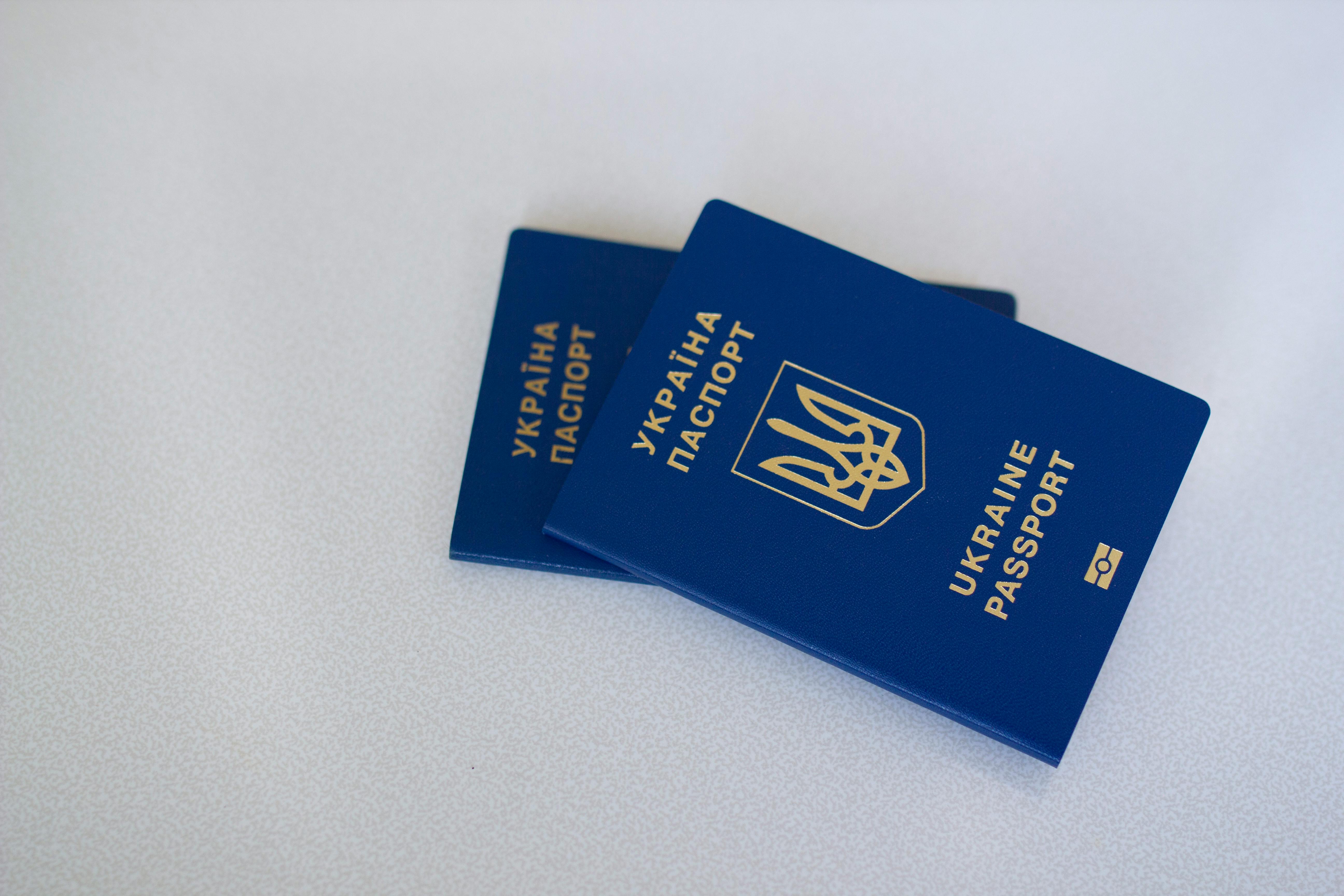
HEADLINE
US Warns Nigerians Against AI-Edited Passport Photos
OPENING HOOK
Getting a travel permit just got trickier for visa seekers as foreign missions tighten their grip on biometric integrity, warning that simple digital touch-ups could cost applicants precious time and travel plans.
WHAT HAPPENED
The United States Mission in Nigeria has issued a categorical warning to individuals applying for travel visas, advising them sternly against using artificial intelligence or digital photo-editing applications to alter their passport photographs. According to the mission, any submission featuring digitally manipulated or enhanced images will not meet standard biometric criteria, resulting in immediate application bottlenecks and processing delays.
WHO ARE THE KEY PLAYERS
The primary institution involved is the United States Mission in Nigeria, the diplomatic arm representing the American government in the West African nation, which handles thousands of travel and immigration requests daily. The affected parties are Nigerian visa applicants seeking to travel to the United States for tourism, business, education, or family visits.
UNDERSTANDING THE LOCATION
This directive affects residents across Nigeria, encompassing all geopolitical zones from the North-West to the South-South, who utilize consular services located in major diplomatic posts such as Abuja and Lagos. These embassies and consulates process a high volume of international travel documentation under strict international aviation and security guidelines.
BACKGROUND AND CONTEXT
In recent years, consumer-facing technology has made photo editing and artificial intelligence enhancement accessible to virtually anyone with a smartphone, leading many to smooth out skin tones, adjust lighting, or modify facial features on personal images. However, global consular services rely on strict biometric standards where passport photos must represent an unedited, authentic likeness to ensure facial recognition software functions accurately during border control screening.
EXPLAINING IMPORTANT REFERENCES
Biometric standards refer to the precise, internationally recognized physical measurements and digital data points required for official identification documents like passports and visas. Consular processing delays mean that administrative hold-ups will push back interview dates or visa approvals, translating to extra financial strain for families who may need to reschedule expensive flight bookings or accommodation deposits.
IMPACT ANALYSIS
For many Nigerian travelers, paying for professional studio photography is already a standard expense, but the temptation to use quick phone filters has caught some applicants off guard. This policy tightening means applicants must now exercise extra caution, avoiding casual photo booths or mobile apps that automatically apply digital touch-ups, thereby avoiding costly application halts.
WHAT HAPPENS NEXT
consular desks in Abuja and Lagos are expected to automatically flag and reject non-compliant photo submissions during initial document intake, forcing affected applicants to retake and resubmit their pictures before their cases can proceed. Prospective travelers are advised to consult official US travel guidelines to ensure their photo specifications meet exact lighting, dimension, and zero-retouching requirements.
HERO PERSPECTIVE
When the United States Mission in Nigeria explicitly bans artificial intelligence-enhanced passport photos, it underscores the zero-tolerance policy governing consular biometric verification under international travel standards. Applicants caught using digital touch-ups face guaranteed processing delays that can disrupt critical business schedules and family travel timelines.
CLOSING
As digital technology continues to blur the line between reality and enhancement, international travel protocols remain firmly anchored in authenticity, reminding all applicants that a natural, unedited snapshot is the only ticket past consular screening.