
HEADLINE
Your Blood Pressure Cuff May Be Sharing Your Private Health Data With Advertisers
OPENING HOOK
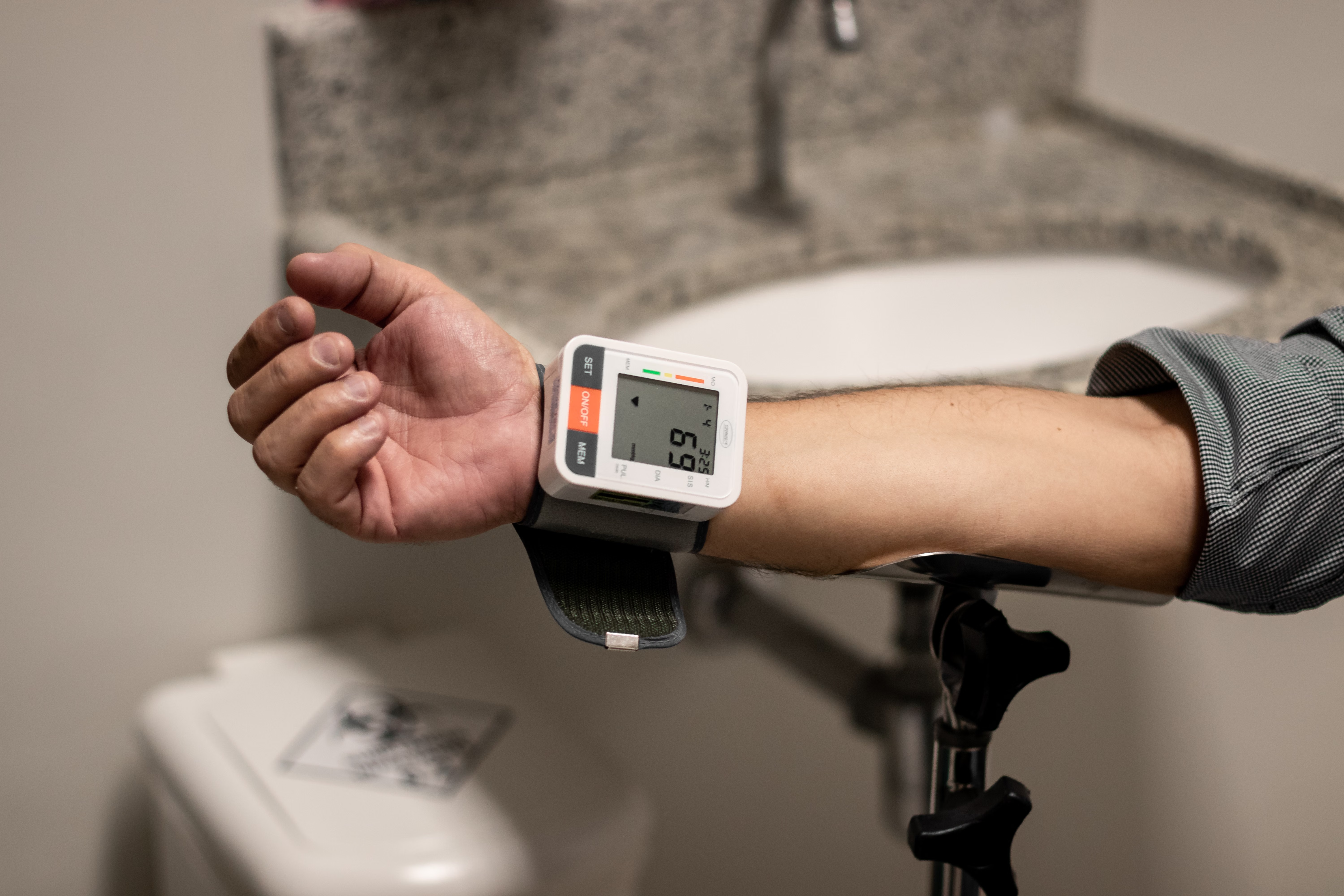
That quiet morning routine of strapping on a digital blood pressure cuff and watching numbers beam directly to a smartphone app feels entirely personal, yet it may be opening a backdoor to corporate advertisers.
WHAT HAPPENED
Recent regulatory investigations by the United States Federal Trade Commission (FTC) reveal that many digital health applications automatically upload sensitive metrics like blood pressure, blood sugar levels, weight, and medication schedules to cloud servers. Depending on the software settings and terms of service, these platforms frequently share intimate user profiles with external advertising networks and digital analytics companies. This silent data transfer turns routine personal health tracking into a commercial commodity, exposing users to targeted marketing campaigns and potential exploitation by shady data brokers.
WHO ARE THE KEY PLAYERS
Federal Trade Commission (FTC): The United States government agency tasked with protecting consumers and preventing anti-competitive business practices, which has pursued enforcement actions against health app developers for deceptive privacy practices. App developers and cloud service providers: The corporate entities that design software interfaces for mobile devices and maintain remote servers where user data is permanently stored.
UNDERSTANDING THE LOCATION
While health data privacy concerns are global, regulatory scrutiny is currently concentrated in the United States, where federal enforcement agencies oversee digital consumer rights. Similar concerns apply worldwide as millions of smartphone users download health-tracking tools without reviewing dense user agreements.
BACKGROUND AND CONTEXT
For years, digital health tools have been marketed as empowering patients to monitor chronic conditions like hypertension and diabetes from the comfort of home. However, unlike traditional paper medical charts protected by strict federal health confidentiality laws in various jurisdictions, consumer-facing health apps often operate in a regulatory gray area. Because these programs are downloaded directly to personal phones rather than hosted within a hospital network, they frequently evade standard medical privacy protections, allowing companies to monetize user habits legally through obscure clauses in terms of service agreements.
EXPLAINING IMPORTANT REFERENCES
Cloud storage refers to remote computer servers maintained by technology companies to store data over the internet, allowing users to access information across multiple devices. Data brokers are commercial entities that harvest personal information from various online and offline sources, packaging it into detailed profiles to sell to advertisers or other buyers.
IMPACT ANALYSIS
For everyday consumers, this unexpected data sharing means that managing personal well-being can inadvertently invite invasive marketing or targeted scams. In Nigeria and across the globe, as mobile health adoption grows, users trusting digital platforms with chronic illness management face risks where insurance companies, employers, or malicious actors could theoretically access unregulated health histories if security protocols fail.
WHAT HAPPENS NEXT
Regulatory bodies are expected to increase scrutiny on mobile health software, potentially forcing developers to adopt stricter data minimization practices and explicit opt-in consents. Consumers may soon see clearer privacy dashboards, though experts advise manually reviewing app permissions and disabling cloud backup features for sensitive vitals where possible.
HERO PERSPECTIVE
Federal Trade Commission cases demonstrate that consumer-facing wellness applications regularly transmit sensitive readings to external analytics firms without explicit user awareness. Reviewing privacy permissions and opting out of cloud synchronization remains a necessary precaution when managing medical data on mobile devices.
CLOSING
As digital health tools become central to modern preventive care, greater transparency from technology providers is essential to ensure that personal health management does not compromise individual privacy.